Tag: Retaining walls construction

  • Mastering the Art of Retaining Wall Construction

    Mastering the Art of Retaining Wall Construction

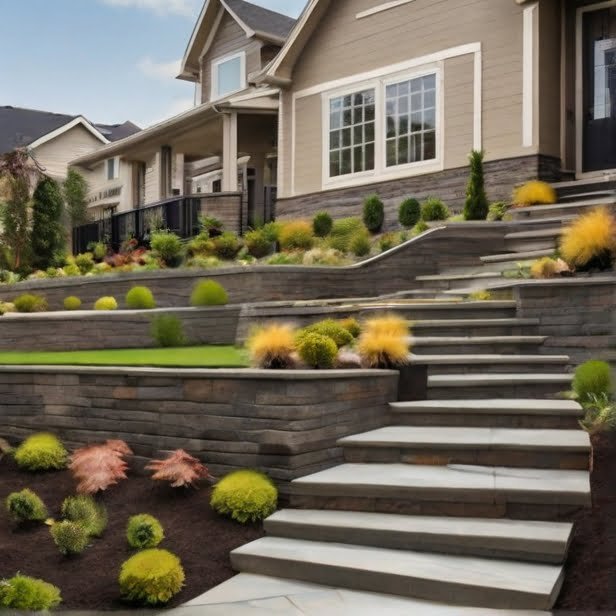
    Retaining walls are indispensable features in construction and landscaping, serving vital roles in stabilizing slopes, preventing soil erosion, and creating functional outdoor spaces. Whether you’re embarking on a residential landscaping project or managing a large-scale infrastructure development, understanding the principles of Retaining Wall design is crucial for ensuring structural integrity and long-term success. In this comprehensive guide, we’ll delve deep into the essential rules, dimensions, and nuances of Retaining Wall construction, equipping you with the knowledge needed to tackle any project with confidence and precision.

    Understanding Retaining Wall Design:

    Basic Rule of Retaining Wall Design:

    At the heart of retaining wall design lies the fundamental principle of stability. A well-designed retaining wall must effectively withstand the lateral pressure exerted by soil and other retained materials while maintaining its intended height and function. Proper drainage, adequate reinforcement, and appropriate material selection are key factors in achieving structural resilience and longevity.

    Maximum Height of a Retaining Wall:

    Determining the maximum allowable height of a retaining wall involves careful consideration of various factors, including soil characteristics, slope angle, and local building codes. In general, gravity walls, constructed from robust materials such as concrete or stone, can typically reach heights of up to 4 feet without additional reinforcement. However, taller walls may require engineered solutions such as reinforced concrete or anchored systems to ensure stability and safety.

    Minimum Depth of a Retaining Wall:

    The minimum depth of a retaining wall’s foundation is critical for providing adequate support and stability. Factors such as frost line depth, soil conditions, and wall height influence the depth of the foundation. By extending the foundation below the frost line and into stable soil, engineers can mitigate the risk of frost heave and ensure the long-term integrity of the retaining wall.

    Minimum Thickness of a Retaining Wall:

    The minimum thickness of a retaining wall is dictated by engineering standards, material properties, and the anticipated loads the wall will bear. Walls constructed from concrete blocks or poured concrete typically have prescribed minimum thickness requirements to withstand lateral soil pressure and structural loads. Compliance with local building codes and industry standards is essential to ensure the structural adequacy of the retaining wall.

    Difference Between D Wall and Retaining Wall:

    While the terms “D wall” and “retaining wall” are often used interchangeably, there are subtle distinctions between the two. A retaining wall is specifically designed to retain soil and prevent erosion on sloped terrain, whereas a D wall refers to a particular type of retaining wall shaped like the letter “D.” D walls are commonly used in waterfront or marine environments to provide structural support and protect against erosion caused by water currents. In the context of Renovation Services, understanding these differences can be crucial when planning and implementing landscaping projects, particularly in areas prone to soil erosion or where waterfront properties require stabilization.

    Difference Between a Wall and a Retaining Wall:

    While both walls and retaining walls serve as barriers or partitions, their primary functions and design considerations differ significantly. Standard walls are primarily intended for enclosure, privacy, or aesthetic enhancement, whereas retaining walls are engineered to resist lateral soil pressure and prevent slope instability. Retaining walls play a critical role in landscape architecture, infrastructure development. And environmental protection by creating level terraces, supporting structures, and preventing soil erosion.

    What are 3 failures of retaining wall?

    Three common failures of retaining walls include:

    Overturning:

    Overturning occurs when the lateral pressure exerted by the retained soil exceeds the resisting capacity of the wall, causing it to tilt or topple over. This failure often occurs due to inadequate design, improper construction techniques, or insufficient anchoring. Factors such as poor drainage, expansive soils, or seismic activity can exacerbate the risk of overturning.

    Sliding:

    Sliding failure occurs when the base of the retaining wall loses its frictional grip with the underlying soil. Leading to horizontal movement or displacement. Sliding can result from inadequate foundation design, insufficient embedment depth, or inadequate reinforcement. Water infiltration, soil saturation, or slope instability can further contribute to sliding failures.

    Settlement:

    Settlement failure occurs when the retaining wall or its foundation experiences uneven or excessive vertical movement, compromising its structural integrity. Common causes of settlement include inadequate soil compaction, poor foundation preparation, or differential loading. Settlement can manifest as cracks, tilting, or uneven settlement along the length of the wall, jeopardizing its stability and performance over time.

    Addressing these potential failure modes requires careful consideration of site-specific conditions, proper design principles, and implementation of effective Construction Company New Jersey practices. Engaging qualified engineers, conducting thorough site investigations, and adhering to industry standards and regulatory requirements. Are essential steps in mitigating the risk of retaining wall failures and ensuring the long-term performance and safety of retaining wall structures.

    Conclusion:

    Mastering the design and construction of retaining walls is essential for achieving superior results in construction and landscaping projects. By adhering to the fundamental principles and dimensions outlined in this guide. You can approach retaining wall projects with confidence and expertise. Remember to engage experienced professionals, conduct thorough site evaluations. And adhere to industry best practices and regulatory requirements to ensure the success and durability of your retaining wall structures. With meticulous planning, skilled craftsmanship, and attention to detail. You can create retaining walls that not only enhance the beauty and functionality of outdoor spaces but also stand the test of time.
  • Choosing and Building the Perfect Retaining Wall

    Choosing and Building the Perfect Retaining Wall

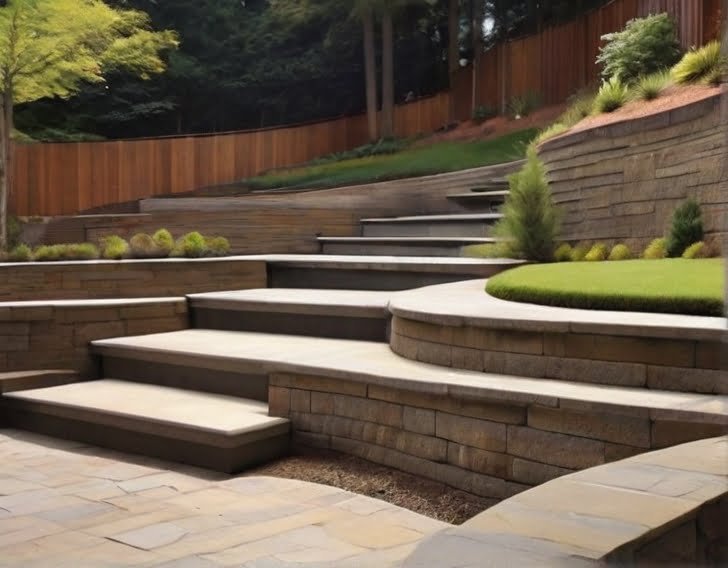
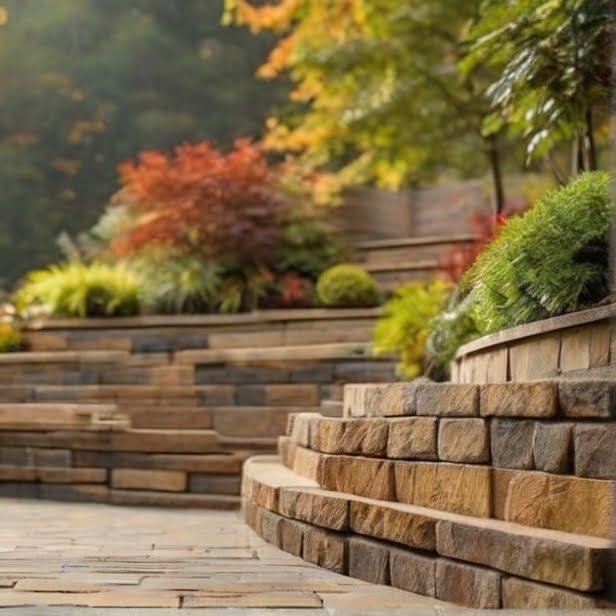
    The construction and remodeling industry offer a plethora of options for enhancing both the aesthetics and functionality of outdoor spaces. Retaining walls, in particular, play a crucial role in providing support, preventing erosion, and adding a distinctive touch to landscaping projects. In this comprehensive guide, we’ll explore the process of building a Retaining Wall, delve into the four main types, discuss the best choices, explore the strongest options, and examine the materials commonly used behind these walls.

    Understanding the Retaining Wall Construction Process

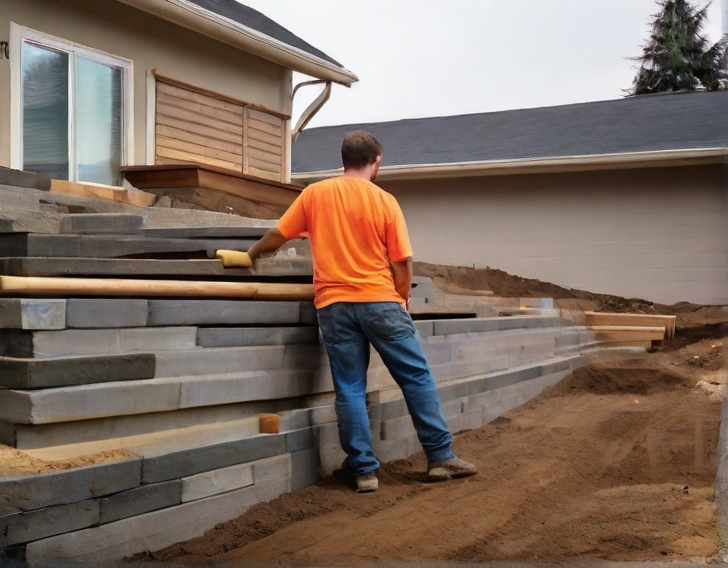
    Building a retaining wall requires careful planning and execution. The process involves several key steps to ensure stability and longevity. Here’s a step-by-step guide to constructing a retaining wall:

    Site Preparation:

    Before commencing the construction, assess the site and determine the layout of the retaining wall. Clear the area of any debris, vegetation, or obstacles that might hinder the construction process.

    Excavation:

    Dig a trench where the base of the retaining wall will be located. The depth and width of the trench depend on the height and type of wall you’re constructing. Ensure a firm and level base.

    Foundation:

    Lay a sturdy foundation using gravel or crushed stone. This foundation provides stability and drainage, crucial for the longevity of the retaining wall.

    First Course Placement:

    Lay the first course of retaining wall blocks or stones in the trench. Ensure level placement, using a level and rubber mallet to adjust as needed.

    Backfilling:

    Fill the space behind the first course with crushed stone or gravel. This allows for proper drainage and prevents water buildup that can compromise the wall’s integrity.

    Additional Courses:

    Continue stacking courses of blocks or stones, ensuring each layer is level and securely placed. Use adhesive or interlocking mechanisms to enhance stability.

    Compaction:

    Compact the backfilled material regularly as you build the wall to prevent settling. This is a crucial step to maintain the structural integrity of the retaining wall.

    Drainage Considerations:

    Incorporate drainage elements, such as perforated pipes, gravel-filled trenches, or weep holes in the wall, to redirect water away from the structure.

    Cap Installation:

    Finish the wall by installing caps on the top course. Caps provide a finished look and help protect the wall from the elements.

    By following these steps, you can create a durable and visually appealing retaining wall that enhances the overall design of your outdoor space.

    Retaining Wall

    Exploring the Four Types of Retaining Walls

    Retaining walls come in various types, each catering to specific needs and preferences. Here are the four main types:

    Gravity Retaining Walls:

    These walls rely on their weight and mass to resist pressure from the soil behind them. They are suitable for low to medium-height applications and are known for their simplicity and cost-effectiveness.

    Cantilever Retaining Walls:

    Cantilever walls use a concrete slab foundation and an extended arm, or “stem,” that reaches back into the retained soil. They are suitable for moderate to high walls and offer stability and strength.

    Sheet Pile Retaining Walls:

    Commonly used in waterfront or marine environments, sheet pile walls consist of interlocking steel, vinyl, or wood panels driven into the ground. They are effective in preventing soil erosion and are often used for temporary structures.

    Anchored Retaining Walls:

    Anchored walls incorporate additional support through the use of cables or rods anchored into the soil or rock behind the wall. This type is ideal for taller walls and provides enhanced stability.

    Determining the Best Type of Retaining Wall

    The choice of the best retaining wall type depends on various factors, including the specific requirements of the project, soil conditions, and budget constraints. While gravity walls are suitable for shorter applications, cantilever walls offer a balance of strength and versatility. Sheet pile walls are excellent for waterfront locations, and anchored walls provide the necessary support for taller structures.

    To determine the best type for your project, consider factors such as the wall’s height, the soil’s characteristics, drainage requirements, and aesthetic preferences. Consulting with a professional in the construction and remodeling industry can provide valuable insights tailored to your specific needs.

    Unveiling the Strongest Retaining Wall Options

    Strength is a critical factor when choosing a retaining wall, especially for applications where the wall needs to withstand significant pressure. Among the various types, anchored retaining walls stand out as the strongest option. The incorporation of cables or rods anchored into the soil or rock behind the wall provides additional support, making them suitable for taller structures and challenging soil conditions.

    When strength is a primary concern, consulting with an experienced contractor or engineer is essential. They can assess the specific requirements of your project and recommend the most robust retaining wall solution tailored to your needs.

    Retaining Wall

    Materials Used Behind Retaining Walls

    The material used behind retaining walls, known as backfill, plays a crucial role in ensuring proper drainage and stability. Common materials include:

    Crushed Stone or Gravel:

    These materials provide excellent drainage and help prevent water buildup behind the retaining wall.

    Drainage Pipes:

    Perforated drainage pipes are often used to direct water away from the wall, preventing pressure buildup.

    Filter Fabric:

    Placed between the backfill material and the soil, filter fabric prevents soil particles from clogging drainage elements.

    Geogrid:

    Geogrid is a reinforcing material that enhances the stability of the soil behind the retaining wall, reducing the risk of erosion.

    Choosing the right backfill material depends on the specific requirements of your project, soil conditions, and drainage needs. Consulting with a construction professional can help you make informed decisions that contribute to the longevity and effectiveness of your retaining wall.

    Conclusion

    In conclusion, retaining walls play a crucial role in the construction and remodeling industry, offering both functional and aesthetic benefits. Understanding the construction process, exploring the different types, determining the best choice, considering strength options, and selecting appropriate backfill materials are key aspects of successfully incorporating retaining walls into your outdoor spaces.

    For more detailed information and professional assistance in retaining wall construction, visit BuildsMore Construction and Remodeling. Their expertise and commitment to quality make them a reliable partner in bringing your retaining wall visions to life.

    By following these guidelines and seeking expert advice, you can create a retaining wall that not only serves its practical purpose but also enhances the overall beauty and functionality of your outdoor environment.