Tag: Railings installation

  • Mastering Railings Installation Essentials

    Mastering Railings Installation Essentials

    Railings serve as both functional and aesthetic elements in any construction or remodeling project. Whether you’re enhancing the safety of a staircase or adding a touch of elegance to a balcony, choosing the right railings and installing them correctly is crucial. In this comprehensive guide, we’ll delve into everything you need to know about Railings Installation in the construction and remodeling industry.

    Cost Considerations:

    One of the first questions that often arises when considering railings installation is the cost. The cost per foot can vary depending on factors such as material, design, and complexity of installation. On average, railings can cost anywhere from $50 to $200 per linear foot. Factors such as ornate designs or premium materials like stainless steel may increase the cost.

    Standard Sizes:

    Railings come in various standard sizes to accommodate different applications. The standard height for most railings is around 36 inches, but this can vary depending on building codes and safety regulations in your area. Additionally, the width of railings can vary depending on the intended use and aesthetic preferences.

    Maintenance Requirements:

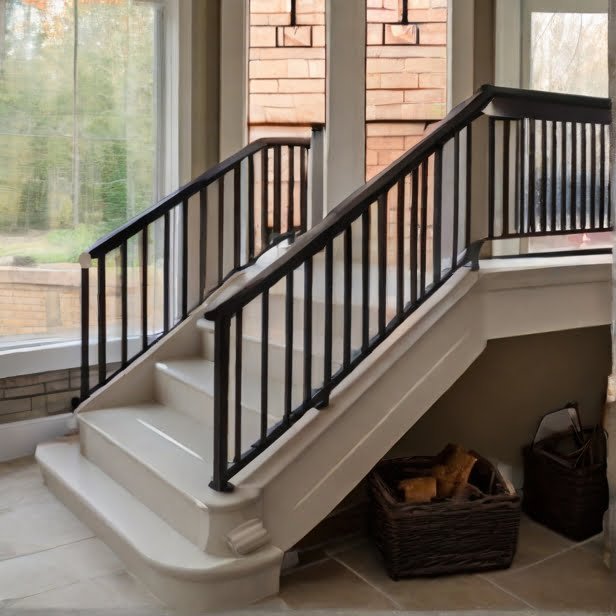
    Metal railings are known for their durability and low maintenance requirements. However, to ensure their longevity, regular cleaning and inspections are necessary. Metal railings should be cleaned with a mild detergent and water to remove dirt and grime. Additionally, metal railings may require periodic repainting or refinishing to prevent corrosion.

    Glass Railings:

    Glass railings offer a sleek and modern look that is suitable for both indoor and outdoor applications. These transparent barriers provide unobstructed views while still offering safety and security. Glass railings are highly versatile and can be customized to fit any space. However, proper installation is essential to ensure stability and safety.

    Wooden Railings Lifespan and Maintenance:

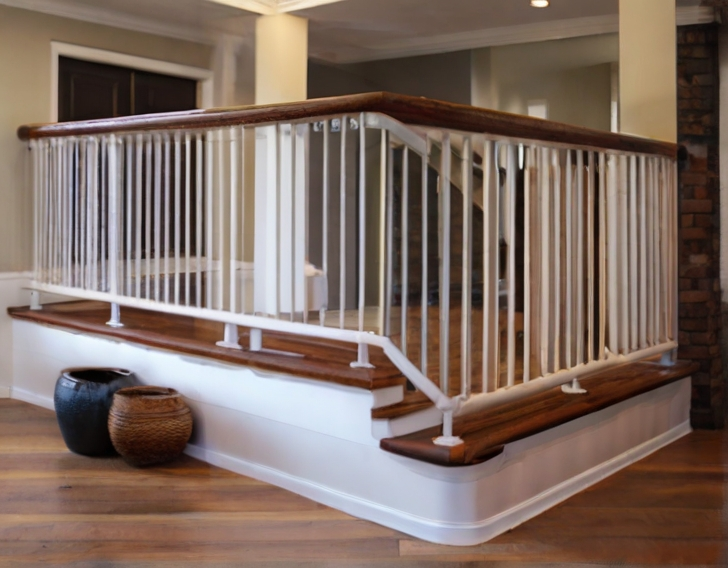
    Wooden railings enhance the warmth and character of any space but demand more upkeep compared to metal or glass railings. The longevity of wooden railings hinges on the type of wood and climate conditions. Regular sealing or staining is crucial to extend their lifespan and protect against moisture and rot. Inspecting wooden railings for signs of damage or wear is also essential for safety, especially when considering Remodeling Services.

    Design Trends:

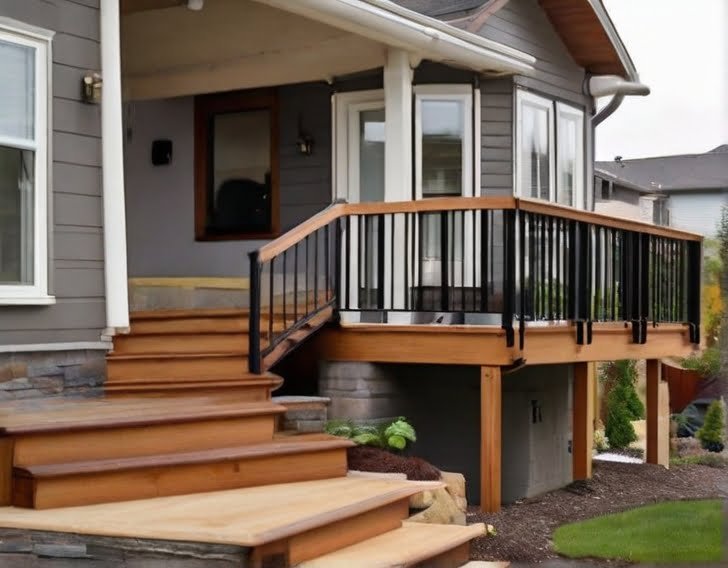
    In the realm of modern railings installation, several design trends are gaining popularity. Sleek and minimalist designs with clean lines are favored for contemporary spaces. Additionally, mixing materials such as metal and wood or incorporating unique geometric patterns can add visual interest to railings. Glass railings with stainless steel accents are also a popular choice for a modern and luxurious look.

    Understanding Cost Factors:

    When planning a railings installation project, it’s essential to consider the cost factors involved. The cost per foot of railings can vary significantly based on several factors, including the material chosen, design complexity, and labor expenses. Materials such as wrought iron, stainless steel, aluminum, and wood each come with their own price points and maintenance requirements. Additionally, custom designs or intricate patterns may increase the overall cost of the project.

    Standard Sizes and Regulations:

    Railings must comply with building codes and safety regulations to ensure the well-being of occupants. The standard height for railings typically ranges from 36 to 42 inches, depending on the application and local building codes. Additionally, railings must meet specific requirements for spacing between balusters or pickets to prevent accidents and ensure compliance with safety standards.

    Indoor and Outdoor Applications of Glass Railings:

    Glass railings offer a modern and sophisticated aesthetic that complements a variety of architectural styles. These transparent barriers provide unobstructed views and allow natural light to flow freely, making them an excellent choice for both indoor and outdoor applications. Whether used for staircases, balconies, or decks, glass railings can enhance the visual appeal of any space while providing safety and security.

    Maximizing the Lifespan of Wooden Railings:

    Wooden railings add warmth and charm to any environment but require proper care to maintain their appearance and structural integrity. Regular inspections for signs of rot, insect damage, or wear and tear are essential for identifying and addressing maintenance issues promptly. Applying a high-quality sealant or stain can help protect wooden railings from moisture damage and prolong their lifespan. When seeking a Construction Company in New Jersey, ensure they prioritize quality materials and maintenance for lasting results.

    Innovative Design Trends:

    Innovative design trends are reshaping the landscape of railings installation, offering homeowners and builders a wide range of creative options to explore. From sleek and minimalist designs to bold and artistic statements, there’s no shortage of possibilities when it comes to railings aesthetics. Mixing materials, experimenting with textures, and incorporating custom features are just a few ways to infuse personality and style into railings installations.

    Conclusion:

    Railings installation is a critical aspect of any construction or remodeling project, requiring careful planning, attention to detail, and expert craftsmanship. By understanding the cost factors, standard regulations, maintenance requirements, and design trends associated with railings installation, you can make informed decisions that enhance the functionality and beauty of your space. Whether you prefer the timeless elegance of wrought iron, the modern appeal of glass, or the natural warmth of wood, investing in quality railings installation is an investment in the long-term value and enjoyment of your property.
  • Flooring Services and Railings Installation Guide

    Flooring Services and Railings Installation Guide

    In the dynamic realm of construction and remodeling, the demand for quality flooring services and expert railings installation remains consistently high. Whether you are considering a Home Renovation Company or commercial project, understanding the intricacies of these services is crucial. In this comprehensive guide, we will delve into the questions surrounding the demand for flooring, the potential earnings, cost-effectiveness of DIY flooring, stair railings installation, and the factors influencing the cost of railing installation.

    Is Flooring in Demand?

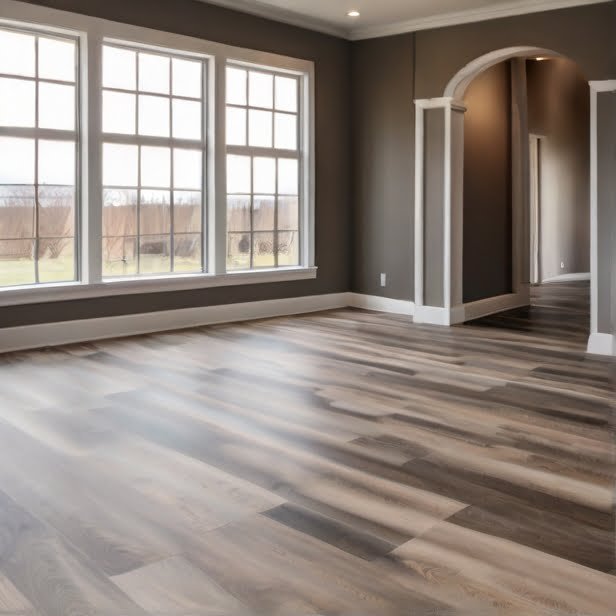
    Flooring is a foundational element in any construction or remodeling project, and its demand is a testament to its significance. From homeowners looking to revamp their living spaces to businesses seeking a modern aesthetic, the need for quality flooring services is ever-present. Factors such as wear and tear, changing design trends, and the desire for energy-efficient solutions contribute to the sustained demand for flooring services.

    How Much Money Can You Make Flooring?

    The potential earnings in the flooring industry can vary based on factors like expertise, location, and the scale of projects undertaken. Skilled flooring professionals often find lucrative opportunities, especially in areas with a high demand for remodeling and construction services. Establishing a reputation for delivering quality work, offering diverse flooring options, and providing excellent customer service can significantly impact your earning potential.

    Is It Cheaper to Make Your Own Flooring?

    While the idea of crafting your own flooring may seem appealing, the cost-effectiveness depends on various factors. DIY flooring projects can save money on labor costs, but it’s crucial to consider the materials, tools, and time involved. Professional flooring Services often have access to bulk materials at discounted rates and possess the expertise to ensure a durable and aesthetically pleasing result. Before embarking on a DIY flooring project, carefully weigh the costs and potential challenges.

    How Do You Install Stair Railings?

    Installing stair railings is a meticulous process that requires precision and expertise. Here is a step-by-step guide to assist you:

    Measure and Plan:

    Accurate measurements are crucial for a successful railing installation. Plan the placement and height of the railing to ensure it complies with safety standards.

    Gather Materials:

    Acquire the necessary materials, including the railing system, brackets, screws, and a level. Opt for high-quality materials to ensure durability.

    Prepare the Surface:

    Ensure the surface is clean and free of any obstacles. If installing on concrete steps, use a hammer drill to create anchor points for the railing.

    Install Brackets:

    Secure the brackets to the designated points, ensuring they are level and properly aligned. This forms the foundation for the railing.

    Attach the Railing:

    With the brackets in place, attach the railing securely. Double-check the alignment and make any necessary adjustments.

    Secure and Test:

    Use screws to firmly secure the railing to the brackets. Once installed, test the railing’s sturdiness to ensure it meets safety standards.

    How Much Does It Cost to Install a Rail?

    The cost of railing installation can vary based on factors such as material, design complexity, and labor. On average, you can expect to invest anywhere from $50 to $120 per linear foot for professionally installed railings. Intricate designs, premium materials, and custom features may increase the overall cost. It’s advisable to obtain multiple quotes from reputable contractors to ensure a fair and competitive price.

    How Do You Install a Railing on Concrete Steps?

    Installing a railing on concrete steps involves additional considerations. Follow these steps for a successful installation:

    Prepare the Concrete:

    Clean the concrete surface thoroughly, removing any debris or loose particles. Use a degreaser if necessary.

    Mark Anchor Points:

    Use a pencil to mark the precise locations for the railing anchors. Ensure they align with the intended placement of the railing.

    Drill Anchor Holes:

    Utilize a hammer drill with a masonry bit to drill anchor holes into the concrete. The depth of the holes should accommodate the anchor screws.

    Insert Anchors:

    Place the anchor sleeves into the drilled holes. Hammer them in until they are flush with the surface.

    Attach Brackets:

    Secure the railing brackets to the anchor sleeves, ensuring they are level and securely attached.

    Install the Railing:

    With the brackets in place, attach the railing according to the manufacturer’s instructions. Check for alignment and stability.

    Secure and Test:

    Use appropriate screws to secure the railing to the brackets. Perform a thorough test to confirm the railing’s stability and safety.

    By following these steps, you can achieve a secure and aesthetically pleasing railing installation on concrete steps.

    Conclusion

    In conclusion, flooring services and railings installation play pivotal roles in enhancing the functionality and aesthetics of any space. Whether you are a homeowner exploring flooring options or a contractor looking to provide top-notch services, understanding the demand, potential earnings, and installation processes is essential. For expert flooring services and railings installation in, Buildsmore is your trusted partner. Visit our website Buildsmore to explore our offerings and embark on a journey to transform your space.