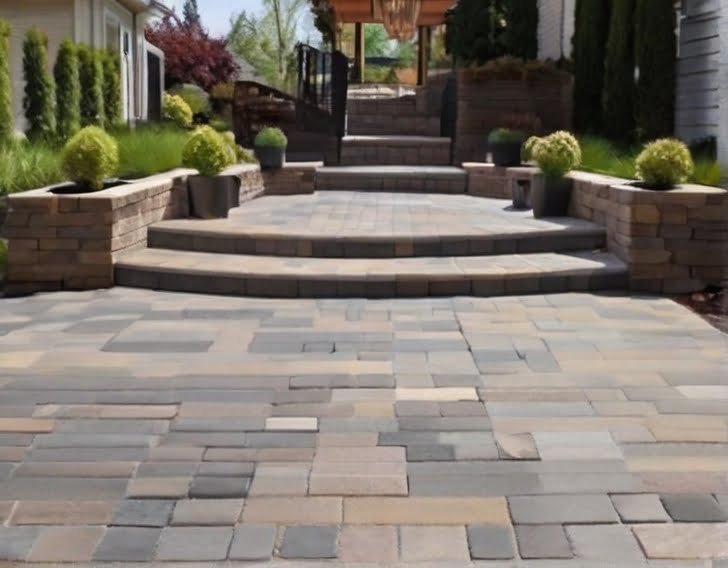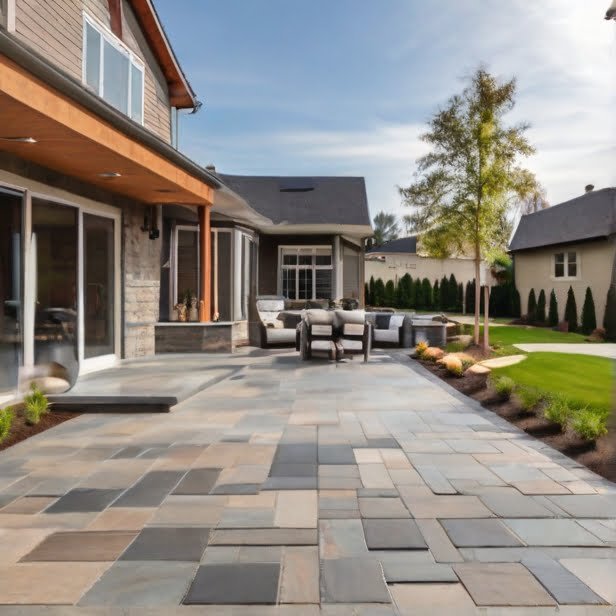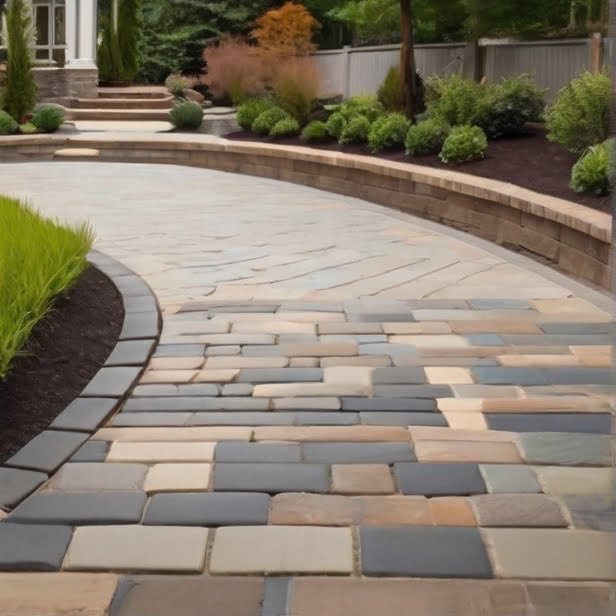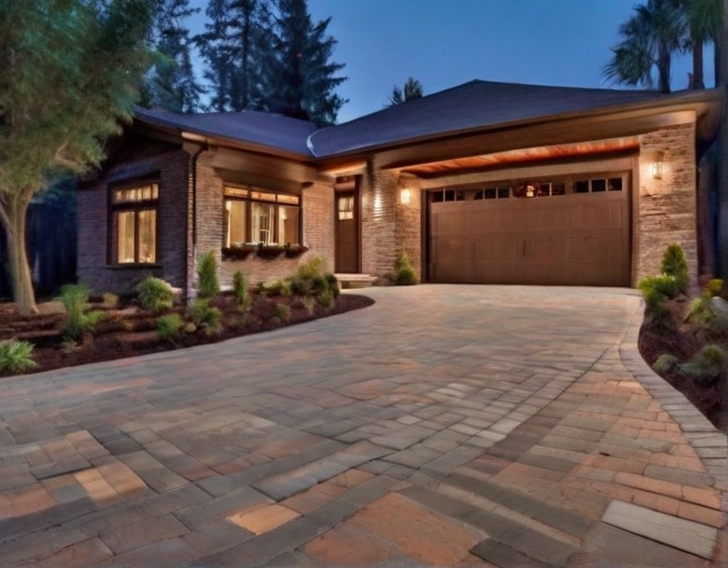
When it comes to enhancing the aesthetic appeal and functionality of outdoor spaces, pavers installation stands out as a popular choice in the construction and remodeling industry. Whether you’re looking to revamp your driveway, patio, or walkway, pavers offer versatility and durability. In this comprehensive guide, we’ll delve into the intricacies of Pavers Installation, answering common questions and shedding light on the benefits of this versatile solution.
How do you prepare the ground for pavers?
Before embarking on a pavers installation project, proper ground preparation is essential for ensuring a lasting and stable result. Here are the key steps involved:
Site Assessment:
Before breaking ground, assess the area where you plan to install the pavers. Check for any existing structures, utilities, or drainage issues that might affect the installation.
Clear the Area:
Remove any vegetation, rocks, or debris from the site. This ensures a clean slate for the installation and prevents any interference with the stability of the pavers.
Excavation:
Dig the area to the required depth, allowing space for the base materials and the pavers. This depth may vary depending on the type of pavers and the intended use of the space.
Add Base Materials:
Apply a layer of base materials, typically composed of crushed stone or gravel. This provides a stable foundation and aids in drainage, preventing issues like shifting or settling.
Compact the Base:
Use a compactor to firmly compact the base materials. This step is crucial for creating a solid foundation that can withstand the load and pressure of foot traffic or vehicular use.
Edge Restraints:
Install edge restraints along the perimeter of the area to prevent the pavers from shifting or spreading outwards over time. This helps maintain a neat and structured appearance.
Which is cheaper: pavers or concrete?
Cost considerations play a significant role in any construction or remodeling project. Comparing pavers to concrete involves various factors, each contributing to the overall expense. Let’s break down the cost considerations for both:
Pavers:
- Material Costs: Pavers come in a variety of materials, such as concrete, brick, or natural stone, each with its own price point. Concrete pavers are often more cost-effective than natural stone.
- Installation Costs: Pavers installation can be labor-intensive, contributing to installation costs. However, the modular nature of pavers can simplify repairs and replacements, potentially reducing long-term costs.
Concrete:
- Material Costs: Concrete is generally less expensive upfront compared to some premium paver materials. However, decorative finishes or stamping can increase the cost.
- Installation Costs: While concrete installation might be less labor-intensive than pavers, repairs or replacements can be more challenging and costly.
It’s important to note that the total cost depends on factors such as the size of the project, the type of pavers or concrete chosen, and the intricacy of the design. Consulting with a professional contractor can provide a more accurate estimate based on your specific requirements.
Is a paver a brick?
The term “paver” is often used interchangeably with “brick” in casual conversation, but they are not synonymous. A paver refers to any type of stone, brick, or concrete block used for paving purposes, whereas a brick specifically denotes a rectangular unit made of clay or concrete.
Pavers can be made from various materials, including:
Concrete Pavers:
These are made from a mix of Portland cement, aggregates, and coloring agents. Concrete pavers come in diverse shapes, sizes, and finishes, offering a wide range of design possibilities.
Brick Pavers:
While bricks are traditionally used for walls, brick pavers are designed for horizontal surfaces. They share the durability of regular bricks but are manufactured with a flat, smooth surface suitable for walkways, driveways, and patios.
Natural Stone Pavers:
Materials like granite, limestone, or travertine can be cut into paver shapes. Natural stone pavers add a touch of elegance to outdoor spaces and are known for their durability.
In summary, while all bricks are pavers, not all pavers are bricks. The term “paver” encompasses a broader range of materials suitable for various paving applications.
What are pavers used for?
Renovation Services are versatile and find applications in a wide array of outdoor projects. Here are some common uses for pavers:
Driveways:
Pavers provide a durable and visually appealing alternative to traditional concrete or asphalt driveways. Their modular nature facilitates easy repairs if individual pavers become damaged.
Patios:
Creating a charming outdoor patio is made easy with pavers. The variety of shapes, colors, and textures allows for endless design possibilities to suit any aesthetic.
Walkways:
Pavers make for excellent walkways, guiding people through gardens, yards, or connecting different areas of a property. The textured surface can enhance safety by providing traction.
Pool Decks:
The non-slip and heat-resistant properties of certain paver materials make them an ideal choice for pool decks. They offer a comfortable and stylish surface around the pool area.
Garden Paths:
Enhance the beauty of your garden with intricately designed garden paths. Pavers can create a charming and functional pathway, protecting the surrounding vegetation.
Outdoor Living Spaces:
From fire pits to outdoor kitchens, pavers are a popular choice for creating functional and aesthetically pleasing outdoor living spaces.
Selecting the Right Pavers for Your Project
Choosing the right type of pavers is a crucial step in ensuring the success of your project. The market offers a variety of paver materials, each with its own set of characteristics. Here’s a guide to help you make an informed decision:
1. Concrete Pavers:
Pros:
- Affordability: Concrete pavers are often more budget-friendly than natural stone options.
- Versatility: Available in various shapes, sizes, and colors, providing flexibility in design.
- Durability: Concrete pavers can withstand heavy loads and are resistant to cracking.
Cons:
- Color Fading: Over time, exposure to sunlight may cause some color fading.
- Maintenance: While durable, they may require occasional cleaning to maintain their appearance.
2. Brick Pavers:
Pros:
- Classic Appeal: Brick pavers exude a timeless, classic look suitable for various architectural styles.
- Permeability: The natural gaps between bricks allow for water drainage, reducing runoff.
Cons:
- Limited Color Options: Bricks come in a more restricted range of colors compared to concrete pavers.
- Maintenance: Weeds may grow in the gaps, requiring periodic maintenance.
3. Natural Stone Pavers:
Pros:
- Elegance: Natural stone provides a high-end, elegant appearance to outdoor spaces.
- Variety: Options like granite, limestone, and travertine offer diverse aesthetics.
- Low Maintenance: Natural stone is resistant to fading and requires minimal maintenance.
Cons:
- Cost: Natural stone pavers are often more expensive than concrete or brick options.
- Weight: Some natural stones can be heavier, necessitating proper installation techniques.
4. Permeable Pavers:
Pros:
- Eco-Friendly: Permeable pavers allow water to penetrate the surface, reducing runoff and aiding in groundwater recharge.
- Stormwater Management: Ideal for areas with stormwater management requirements.
Cons:
- Installation Complexity: Requires a specialized installation process to ensure proper water infiltration.
Understanding the characteristics and trade-offs of each paver type will help you make an informed decision based on your project’s requirements, budget, and aesthetic preferences.
Professional Pavers Installation:
Pros:
- Expertise: Professionals bring years of experience and expertise to ensure a high-quality result.
- Efficiency: Professional crews can complete projects efficiently, saving you time.
- Warranty: Many professional services offer warranties, providing peace of mind.
Cons:
- Cost: Professional services come at a cost, but the investment often translates into long-term benefits.
Assess your skills, available time, and the complexity of your project before deciding whether to tackle pavers installation as a DIY project or entrust it to seasoned professionals.
Conclusion
Pavers installation is a transformative process that enhances the beauty and functionality of outdoor areas. Selecting the right paver type, deciding between DIY and professional installation, and implementing proper maintenance are all crucial aspects of a successful project.
For those looking for reliable and professional pavers installation services, Buildsmore offers expertise and a commitment to quality. Their skilled team can guide you through the process, ensuring a seamless and visually stunning result for your project. Whether you’re revamping a driveway, creating an elegant patio, or designing a charming garden path, the right pavers can turn your vision into reality.