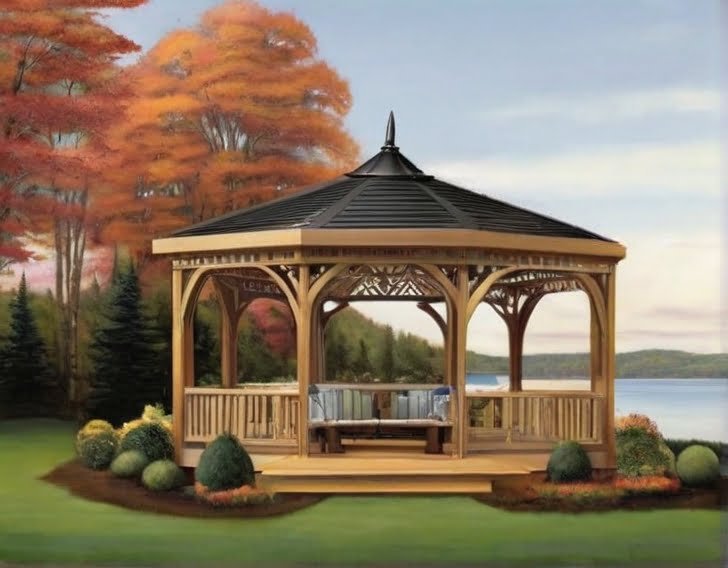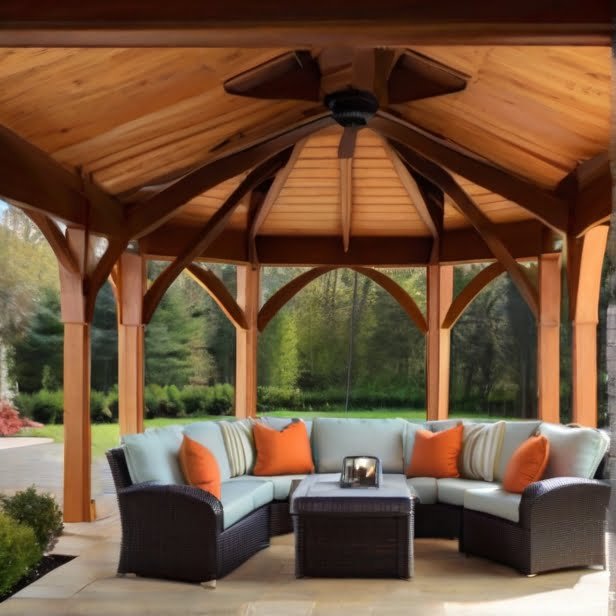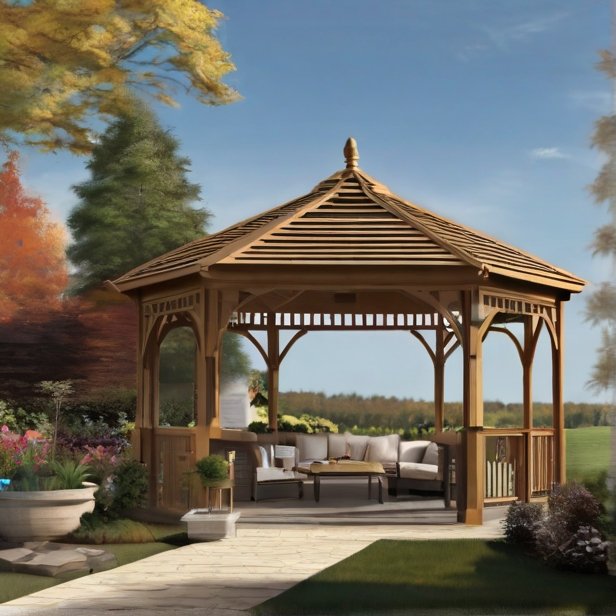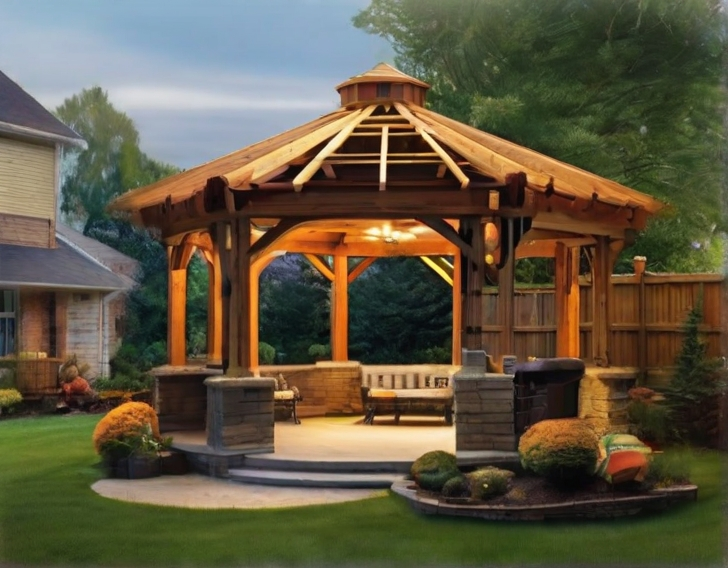
In the realm of outdoor living spaces, gazebos stand as timeless structures that blend functionality with aesthetic appeal. Whether you envision a cozy retreat in your backyard or an elegant addition to your garden, understanding the ins and outs of Gazebo Construction is essential. In this comprehensive guide, we delve into the purpose of gazebos, cost considerations, materials used, differences between gazebos and canopies, factors influencing pricing, and the possibility of adding walls to your gazebo.
What’s the Purpose of a Gazebo?
Gazebos serve multiple purposes, ranging from providing a shaded retreat in your backyard to creating a picturesque venue for outdoor events. These versatile structures offer a sanctuary for relaxation, outdoor dining, social gatherings, and even as a focal point for garden landscaping. A well-designed gazebo adds character to your outdoor space while offering protection from the elements, making it an ideal spot for enjoying nature regardless of the weather.
Is it Cheaper to Build Your Own Gazebo?
While building your own gazebo may seem like a cost-effective option, it requires careful planning, adequate skills, and access to appropriate tools and materials. The overall cost of a DIY gazebo depends on various factors such as the size, design complexity, choice of materials, and your level of expertise. While it may be cheaper in terms of labor costs, keep in mind that mistakes or improper construction could lead to additional expenses in the long run. Consider consulting professionals or utilizing gazebo kits for a more straightforward DIY approach.
Cost Considerations: DIY vs. Professional Construction:
Delve into the cost factors involved in gazebo construction and weigh the pros and cons of DIY versus hiring a professional builder. Learn strategies for budgeting, sourcing materials, and optimizing labor costs to achieve your desired outcome without breaking the bank. Gain insight into the potential savings and challenges associated with each approach to make an informed decision that aligns with your budget and skill level.
What is the Roof of a Gazebo Made Of?
As a Construction Company in New Jersey, you’ll find various materials suitable for the roof of a gazebo, each offering unique advantages in terms of durability, aesthetics, and maintenance. Common options include:
Wood:
Wooden roofs exude a rustic charm and blend seamlessly with natural surroundings. Cedar, redwood, and pressure-treated pine are popular choices due to their resistance to rot and insect damage.
Metal:
Metal roofs, such as aluminum or steel, provide superior durability and require minimal maintenance. They offer excellent protection against the elements and can be customized to match the overall design of the gazebo.
Fabric:
Fabric roofs, often made of polyester or canvas, are lightweight and flexible. They provide ample shade and can be easily replaced if damaged. Fabric gazebos are popular for temporary or seasonal use.
Shingles:
Asphalt shingles offer a traditional look and are available in various colors to complement your gazebo’s aesthetic. They provide excellent protection against rain and UV rays, ensuring longevity with proper installation and maintenance.
What is the Difference Between a Gazebo and a Canopy?
Gazebos and canopies are both outdoor structures designed to provide shade and shelter, but they differ in terms of construction, versatility, and permanence.
Construction: Gazebos feature a solid roof supported by a framework of posts and often have open sides, providing a more permanent and substantial structure. Canopies, on the other hand, typically consist of a fabric roof supported by a lightweight frame and are more temporary in nature.
Versatility: Gazebos offer a versatile outdoor living space that can be customized with amenities such as seating, lighting, and decorative elements. Canopies are more basic in design and primarily serve as portable shelters for events or gatherings.
Permanence: Gazebos are designed to be permanent fixtures in your outdoor space, providing long-term enjoyment and value. Canopies are more transient and can be easily assembled and disassembled for temporary use at events or gatherings.
Why are Gazebos So Expensive?
Several factors contribute to the cost of gazebos, including materials, size, design complexity, and additional features. High-quality materials such as cedar or redwood command a premium price due to their durability and aesthetic appeal. Larger gazebos with intricate designs require more materials and labor, resulting in higher costs. Additionally, features such as built-in seating, electrical wiring, and decorative elements can further increase the price. Investing in a well-built gazebo from reputable providers like BuildsMore ensures longevity and satisfaction, justifying the initial expense.
Choosing the Right Materials for Your Gazebo Roof:
Explore the wide range of roofing materials available for gazebos and their unique characteristics. From traditional wood and durable metal to lightweight fabric and versatile shingles, each material offers distinct advantages in terms of aesthetics, durability, and maintenance. Consider factors such as climate, budget, and design preferences when selecting the ideal roof for your gazebo.
Can a Gazebo Have Walls?
Yes, gazebos can have walls added to provide additional protection from the elements and privacy. Depending on your preferences and intended use, you can choose from various wall options, including screens, curtains, or solid panels. Screen walls offer ventilation while keeping insects out, making them ideal for summer months. Curtains or drapes provide privacy and can be drawn closed for intimate gatherings or relaxation. Solid panels offer maximum protection from wind, rain, and cold weather, extending the usability of your gazebo throughout the year.
Conclusion:
Gazebo construction is a multifaceted endeavor that requires careful consideration of purpose, cost, materials, and design. Whether you opt for a DIY approach or enlist the help of professionals, understanding the fundamentals of gazebo construction empowers. You to create a stunning outdoor retreat tailored to your needs and preferences. By investing in quality materials and craftsmanship. You can enjoy years of relaxation, entertainment, and appreciation of the great outdoors in your very own gazebo.