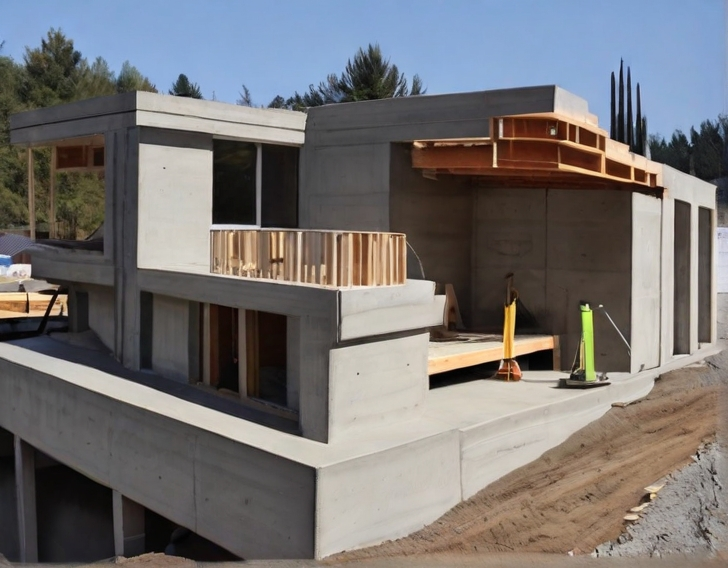
Tag: Concrete services

  • Revolutionize Your Projects with Concrete Services!

    Revolutionize Your Projects with Concrete Services!

    In the dynamic world of construction and remodeling, the choice of materials plays a pivotal role in determining the success and longevity of a project. Among these materials, concrete stands out as a versatile, durable, and cost-effective option. That has been the cornerstone of construction for centuries. In this comprehensive guide, we’ll delve deeper into Concrete Services, exploring its properties, applications, and best practices for optimal results.

    Understanding the Concrete Process

    Concrete is a composite material composed of aggregates (such as sand and gravel), cement, and water. The process of creating concrete involves carefully proportioning. These ingredients to achieve the desired strength, durability, and workability. Here’s a brief overview of the concrete-making process:

    1. Mixing: Aggregates, cement, and water are combined in precise proportions to form a homogenous mixture.
    2. Pouring: The mixed concrete is then poured into molds or formwork, where it’s allowed to set and harden.
    3. Curing: After pouring, the concrete undergoes a curing process, which involves maintaining adequate moisture and temperature conditions to ensure proper hydration and strength development.

    Five Common Uses of Concrete

    Concrete’s versatility lends itself to a myriad of applications across different industries. Here are five common uses:

    1. Foundations and Footings: Concrete provides a stable and strong foundation for buildings, bridges, and other structures.
    2. Driveways and Walkways: Its durability makes concrete an ideal choice for surfacing driveways, sidewalks, and pathways.
    3. Structural Elements: Concrete is used to construct columns, beams, and slabs in building frameworks.
    4. Roads and Pavements: Many highways, streets, and airport runways are paved with concrete due to its strength and longevity.
    5. Decorative Features: Beyond its structural uses, concrete services can be molded and colored to create decorative elements like countertops, statues, and architectural facades.

    Cement vs. Concrete:

    While often used interchangeably, cement and concrete are distinct materials with different compositions and properties:

    Cement:

    Cement is a crucial component in Remodeling Services, as it is a fine powder derived from limestone, clay, and other minerals. When combined with water and aggregates, it functions as a binding agent, creating a paste that solidifies and effectively binds the aggregates together. This process plays a significant role in various remodeling projects, contributing to the overall strength and durability of structures.

    Concrete:

    Concrete, on the other hand, is the composite material formed by mixing cement, aggregates (such as sand and gravel), and water. When the cement paste binds the aggregates, it creates a solid and durable material.

    Exploring Concrete Grades and Mixes

    Concrete grades are standardized classifications that denote the strength and quality of the concrete mix. The strength of concrete is typically measured in pounds per square inch (psi). Here’s a breakdown of common concrete grades:

    1. Grade 20 (C20): Suitable for non-structural applications such as sidewalks and pathways.
    2. Grade 25 (C25): Commonly used for residential construction, including foundations and footings.
    3. Grade 30 (C30): Ideal for structural applications such as beams, columns, and slabs.
    4. Grade 35 (C35): Provides increased strength for heavy-duty structural elements and commercial projects.
    5. Grade 40 (C40): Used in high-stress applications where maximum strength is required. Such as bridges and high-rise buildings.

    Understanding the 1-2-3 Mix Ratio

    The 1-2-3 mix ratio is a simple method for batching concrete ingredients by volume. It consists of:

    • 1 part cement
    • 2 parts sand
    • 3 parts gravel or crushed stone

    This mix ratio is commonly used for small-scale projects and provides a balance of strength, workability, and economy.

    PSI in Concrete: What Does It Mean?

    PSI, or pounds per square inch, is a measure of the compressive strength of concrete. It indicates the maximum load or stress a concrete specimen can withstand before failure. The PSI rating of concrete varies depending on its grade and intended use. Higher PSI values indicate greater strength and durability.

    Concrete Grades:

    In summary, concrete Services is a versatile and indispensable material in the construction and remodeling industry. Its manufacturing process involves mixing aggregates, cement, and water, followed by pouring and curing. Concrete finds widespread use in foundations, driveways, structural elements, roads, and decorative features. Understanding the distinction between cement and concrete is crucial. As is knowing the various grades and mix ratios for different applications.

    Whether you’re embarking on a DIY project or overseeing a large-scale construction endeavor, having a solid understanding of concrete fundamentals will ensure the success and longevity of your project.

    For professional concrete services tailored to your specific needs, visit Buildsmore Construction. Their team of experts specializes in delivering high-quality concrete solutions for residential and commercial projects alike.

    By incorporating these insights into your next construction venture. You’ll be well-equipped to harness the full potential of concrete as a building material.
     

  • Exploring Concrete Solutions for Construction and Renovation Projects.

    Exploring Concrete Solutions for Construction and Renovation Projects.

    In the expansive domain of construction and remodeling, the role of a concrete worker in New Jersey is paramount. These skilled professionals from a Construction Company in New Jersey form the backbone of projects, shaping the foundations and structures that stand the test of time. In this comprehensive guide, we’ll delve into the intricacies of concrete work specific to New Jersey, exploring its types, strengths, and the basics that make it a cornerstone in the construction industry within the state.

    What is a Concrete Worker?

    A concrete worker, often referred to as a concrete finisher or mason, is a skilled tradesperson specializing in working with concrete. Their expertise lies in the precise application and finishing of concrete to create durable and aesthetically pleasing structures. These professionals play a crucial role in various construction projects, from residential buildings to commercial complexes.

    Examples of Concrete Work

    Concrete work encompasses a wide range of applications, each serving a unique purpose in construction and remodeling. Some common examples include:

    1. Foundations:

    Concrete is the go-to material for building strong and stable foundations. Whether for a house, a bridge, or a skyscraper, a well-constructed concrete foundation provides the necessary support for the entire structure.

    2. Sidewalks and Driveways:

    The smooth, durable surface of concrete makes it ideal for sidewalks and driveways. Concrete sidewalks not only enhance the curb appeal but also offer longevity and low maintenance.

    3. Retaining Walls:

    In landscaping and hilly terrains, concrete is often used to create Retaining Walls. These walls prevent soil erosion and create level surfaces for gardens or outdoor spaces.

    4. Concrete Floors:

    From residential homes to industrial spaces, concrete floors are a popular choice. Polished and stained concrete floors not only offer durability but also a sleek, modern aesthetic.

    5. Stamped Concrete Patios:

    For outdoor living spaces, stamped concrete patios provide a customizable and visually appealing option. The concrete can be stamped to mimic the look of stone, brick, or other materials.

    The 3 Types of Concrete Details

    Concrete comes in various forms, each tailored to specific needs. The three primary types of concrete details are:

    1. Ready-Mix Concrete:

    This is a pre-mixed concrete that is delivered to the construction site in a plastic or unhardened state. Ready-mix concrete is convenient, as it eliminates the need for on-site mixing and ensures consistent quality.

    2. High-Strength Concrete:

    As the name suggests, high-strength concrete is designed to withstand heavy loads and harsh conditions. It is commonly used in infrastructure projects, such as bridges and high-rise buildings.

    3. Lightweight Concrete:

    Ideal for projects where weight is a concern, lightweight concrete is made using lightweight aggregates. It offers the structural benefits of concrete while reducing the overall load.

    The Strongest Type of Concrete

    When it comes to strength, one particular type stands out – High-Performance Concrete (HPC). HPC is engineered to have exceptional compressive strength, making it the go-to choice for structures that require superior durability. Its composition often includes advanced admixtures, fibers, and a meticulous mix design, ensuring unparalleled strength.

    Basic Concrete Work Demystified

    Understanding the basics of concrete work is crucial for anyone involved in construction or remodeling projects. The key steps in basic concrete work include:

    1. Site Preparation:

    Before concrete is poured, the site must be properly prepared. This involves clearing the area, setting up formwork, and ensuring a level surface.

    2. Mixing the Concrete:

    The right mix of concrete is essential for a project’s success. This includes the correct proportions of cement, aggregates, and water. Ready-mix concrete can simplify this process.

    3. Pouring and Leveling:

    Once mixed, the concrete is poured into the formwork. Skilled concrete workers ensure an even distribution and use tools to level the surface.

    4. Finishing:

    Achieving a smooth and polished finish is an art in itself. Concrete finishers use trowels and other tools to create the desired texture and appearance.

    5. Curing:

    Curing is the process of allowing the concrete to harden and gain strength. Proper curing is crucial for the long-term durability of the structure.

    Conclusion

    In conclusion, the world of Concrete Services is diverse and essential in the construction and remodeling industry. From the skilled hands of concrete workers to the various types of concrete details, understanding these aspects is pivotal for successful and enduring projects.

    For reliable concrete services in your construction endeavors, consider BuildsMore Construction. With a commitment to quality and expertise, they stand as a trusted partner in bringing your concrete visions to life.