Category: creative design

  • A Journey Through Flooring Excellence, Trends, and Innovations

    A Journey Through Flooring Excellence, Trends, and Innovations

    In the dynamic realm of construction and remodeling, the choice of flooring plays a pivotal role in shaping the aesthetics and functionality of any space. Whether you’re renovating your home or embarking on a commercial project, understanding flooring installation, exploring luxurious options, and grasping the concept of 100% waterproof flooring can significantly impact your decision-making process. In this comprehensive guide, we delve into the world of Flooring Services, demystify terms like SPC and LVT, and provide insights into the most luxurious floor choices.

    Flooring Installation Demystified

    What Does Flooring Installation Mean?

    Flooring installation is a crucial aspect of any construction or remodeling project. It involves the process of laying down a finished floor surface, transforming a space from a construction site into a functional and visually appealing area. The installation process varies based on the type of flooring chosen, ranging from hardwood and laminate to vinyl and tile. For a seamless and durable result, it’s essential to enlist the services of experienced professionals.

    For expert flooring services that bring your vision to life, consider reaching out to BuildsMore, your trusted partner in construction and remodeling.

    Exploring Opulent Flooring Choices

    What Is the Most Luxurious Floor?

    Luxury in flooring extends beyond mere aesthetics; it encompasses durability, unique design, and the overall experience it provides. When it comes to the most luxurious floor, hardwood flooring often takes center stage. Hardwood floors exude timeless elegance and add significant value to any property. Exotic wood species, intricate patterns, and high-quality finishes contribute to the opulence of hardwood floors, making them a coveted choice for those seeking a touch of sophistication.

    Unveiling 100% Waterproof Flooring

    What Is 100% Waterproof Flooring?

    In spaces prone to moisture, such as kitchens, bathrooms, and basements, opting for 100% waterproof flooring is a game-changer. This type of flooring is designed to withstand water exposure without warping, swelling, or sustaining damage. Waterproof flooring options include luxury vinyl planks (LVP), tile, and stone composite (SPC) flooring. Investing in 100% waterproof flooring not only enhances the longevity of your floors but also provides peace of mind, especially in areas susceptible to spills and humidity.

    Decoding SPC in Flooring

    SPC, or Stone Plastic Composite, is a type of rigid core flooring known for its exceptional durability and stability. Comprising limestone and stabilizers, SPC flooring is highly resistant to impacts, making it ideal for high-traffic areas. Its waterproof nature makes it suitable for environments where traditional wood flooring may falter. The unique composition of SPC flooring also contributes to its ability to maintain dimensional stability under varying temperature conditions.

    The Allure of LVT Flooring

    What Is LVT Flooring?

    Luxury Vinyl Tile (LVT) is a versatile and popular flooring option that mimics the look of natural materials such as wood and stone. LVT consists of multiple layers, including a photographic layer that replicates the desired appearance. Its cost-effectiveness, durability, and easy maintenance make LVT flooring a preferred choice for various settings. The ability to capture the essence of luxury while offering practical benefits has catapulted LVT into the spotlight of modern flooring solutions.

    Unveiling the Art of Flooring Patterns:

    When it comes to flooring, aesthetics play a pivotal role in creating a visually stunning environment. One aspect that often gets overlooked is the choice of patterns. From classic herringbone to contemporary chevron, the possibilities are vast. Understanding the impact of different patterns on the perception of space and style can help you make an informed decision. Dive into the world of flooring patterns and discover how they can elevate the design of your home or commercial space.

    Choosing the Right Pattern for Your Space

    Selecting the right flooring pattern involves considering the size of the room, the overall design scheme, and your personal taste. For smaller spaces, intricate patterns might appear overwhelming, while larger rooms can benefit from bold designs that create a sense of grandeur. Explore the timeless charm of classic patterns or opt for modern twists that bring a fresh perspective to your floors. The right pattern can transform your space from ordinary to extraordinary.

    Sustainability in Flooring:

    In an age where environmental consciousness is thriving, remodeling services are increasingly focusing on sustainable flooring options, gaining immense popularity. From utilizing reclaimed wood to incorporating bamboo and cork, eco-friendly materials are making a significant impact in the remodeling industry. Explore the advantages of opting for sustainable flooring choices, their positive effects on the environment, and how Remodeling Services can contribute to a greener future through conscientious flooring decisions. Uncover the beauty of remodeling with materials that not only enhance your space but also minimize your carbon footprint.

    Exploring Eco-Friendly Flooring Choices

    Sustainable flooring goes beyond just being environmentally friendly; it also offers unique textures, colors, and finishes. Reclaimed wood, sourced from old buildings or barns, carries a rich history and distinctive character. Bamboo, a rapidly renewable resource, provides durability and a contemporary aesthetic. Cork, harvested from the bark of cork oak trees, boasts natural insulation properties. Dive into the world of sustainable flooring and make a conscious choice that aligns with your values and design preferences.

    Flooring Maintenance : Tips for Long-Lasting Elegance

    Once you’ve invested in exquisite flooring, maintaining its beauty becomes paramount. Understanding the specific maintenance requirements of different flooring materials is key to ensuring longevity and preserving their aesthetic appeal. From regular cleaning routines to addressing potential issues promptly, this segment offers practical tips to keep your floors looking pristine.

    Tailoring Maintenance to Your Flooring Type

    Each flooring material comes with its own set of care instructions. Hardwood floors may require occasional refinishing to restore their luster, while vinyl and laminate flooring thrive with routine sweeping and mopping. Understanding the nuances of maintenance for your chosen flooring type is essential for preventing damage and preserving its original charm. Dive into the details of flooring care to enjoy a beautiful, long-lasting investment.

    Riding the Waves of Flooring Trends:

    The world of flooring is constantly evolving, with trends that reflect the current design preferences and technological advancements. Stay ahead of the curve by exploring the latest flooring trends, from innovative materials to creative patterns. Whether you’re looking to make a bold statement or prefer a timeless look, understanding the trends can help you make informed decisions for your next flooring project.

    2024 Flooring Trends Forecast

    As we step into 2024, several exciting trends are making waves in the flooring industry. Terrazzo, known for its unique blend of marble, glass, and other aggregates, is gaining popularity for its artistic appeal. Large-format tiles continue to dominate, creating a seamless and contemporary look. Embrace the resurgence of geometric patterns, adding a touch of modernity to your space. Explore the latest trends to infuse freshness into your home or commercial project.

    Color Psychology in Flooring:

    The color of your flooring has a profound impact on the overall ambiance of a room. Whether you’re aiming for a cozy, warm feel or a bright, airy atmosphere, understanding color psychology can guide your choices. Dive into the world of colors and discover how the right flooring hues can influence mood, perception of space, and even energy levels.

    Selecting Flooring Colors Based on Room Function

    Different rooms serve distinct functions, and the choice of flooring colors can enhance or alter the intended atmosphere. Cool tones like blues and grays work well in spaces where relaxation is key, such as bedrooms. Warm tones like browns and earthy hues create a welcoming feel in living areas. High-traffic zones benefit from neutral colors that hide dirt and stains effectively. Uncover the secrets of color psychology in flooring and transform your space into a harmonious haven.

    Flooring and Property Value: A Strategic Investment

    Beyond aesthetics and functionality, flooring choices can significantly impact the overall value of a property. Whether you’re a homeowner looking to increase your home’s resale value or a property developer aiming for maximum return on investment, understanding the correlation between flooring and property value is crucial.

    High-Value Flooring Choices for Increased Property Value

    Certain flooring materials, such as hardwood and high-quality laminate, are known to enhance property value. The durability, timeless appeal, and ease of maintenance associated with these materials make them attractive to potential buyers. Explore strategic flooring choices that not only elevate the aesthetic appeal of your space but also contribute to a higher property appraisal.

    Choosing Flooring Textures for Sensory Delight

    Beyond the visual appeal, flooring textures play a significant role in shaping the sensory experience of a space. From the smooth elegance of polished concrete to the tactile allure of plush carpets, each texture contributes to the overall feel of a room. Delve into the tactile symphony of flooring textures and discover how selecting the right texture can elevate the sensory delight of your living or working space.

    Balancing Comfort and Style

    Textures in flooring go beyond aesthetics, offering a sensory feast for both the eyes and fingertips. Consider the inviting softness of a plush carpet in a bedroom, creating a cozy retreat for relaxation. Embrace the tactile coolness of natural stone tiles in a bathroom, evoking a spa-like ambiance. Balancing comfort and style, the right texture adds a layer of sophistication to your space, inviting you to not just see but also touch the beauty beneath your feet.

    Exploring Smart and Sustainable Options

    In an era marked by technological innovation and heightened environmental awareness, Flooring Services have evolved beyond their conventional role to encompass intelligent and sustainable solutions. From smart tiles that tailor themselves to individual preferences to eco-conscious materials promoting a greener planet, the flooring services sector is leading the charge toward a more intelligent and environmentally friendly future.

    The Flooring Revolution

    Smart flooring integrates cutting-edge technology, offering features like temperature control, programmable patterns, and even interactive surfaces. Imagine a floor that adjusts its temperature based on your preferences or one that transforms into a vibrant display with a tap of your smartphone. Additionally, sustainable options such as recycled materials, bamboo, and cork are becoming staples in the flooring market, providing eco-conscious consumers with choices that align with their values. The future of flooring is not just smart; it’s sustainable, promising a harmonious blend of innovation and environmental responsibility.
  • Explore kitchen renovation services with the latest trends

    Explore kitchen renovation services with the latest trends

    When it comes to enhancing the heart of your home, a well-planned kitchen renovation can make a significant difference. Whether you’re aiming for a modern upgrade, maximizing space in a small kitchen, or achieving your dream culinary haven, the construction and remodeling industry has a myriad of possibilities. In this comprehensive guide, we’ll address common questions surrounding Kitchen Renovation and explore the best practices to create a space that not only meets your functional needs but also adds value to your home.

    1. Should You Use a Kitchen Designer?

    One of the first decisions you’ll face when planning a kitchen renovation is whether to hire a professional kitchen designer. While some homeowners prefer the DIY approach, a skilled kitchen designer brings expertise and creativity to the table. A designer can help optimize your kitchen layout, ensure efficient use of space, and provide valuable insights into the latest trends and materials.

    2. What Is the Most Popular Paint Color for a Kitchen?

    Choosing the right paint color can set the tone for your kitchen’s ambiance. Currently, neutral tones like whites, grays, and beiges are popular choices for kitchen walls. These colors create a clean, timeless look and provide a versatile backdrop for various design elements. However, accent walls or vibrant cabinet colors can add personality and a touch of flair to your space.

    3. How Can I Beautify My Small Kitchen?

    Maximizing space in a small kitchen requires clever design and strategic choices. Consider light-colored cabinets, as they can create an illusion of space. Utilize vertical storage with open shelving or tall cabinets, and invest in multifunctional furniture to make the most of every inch. Additionally, incorporating mirrors, proper lighting, and choosing space-saving appliances contribute to the overall aesthetic and functionality of a small kitchen.

    4. How to Upgrade Kitchen Cabinets?

    Upgrading kitchen cabinets can transform the entire look of your kitchen. Refacing or repainting existing cabinets is a cost-effective option. For a more extensive upgrade, consider replacing cabinet doors, hardware, or opting for custom-built cabinets to suit your specific needs. The choice of materials, finishes, and hardware plays a crucial role in achieving the desired style, whether it’s a classic, contemporary, or transitional look.

    5. How Do I Make My Dream Kitchen?

    Designing your ideal kitchen requires a careful balance of practicality, style, and functionality. Begin by imagining the layout and features that are most important to you. Consider high-quality appliances, resilient countertops, and effective storage solutions as essential elements. Engaging the services of a professional Remodeling  Services expert can facilitate the realization of your vision, ensuring that each aspect meets your practical needs while reflecting your personal style.

    6. Sustainable and Eco-Friendly Choices

    In recent years, there has been a growing emphasis on sustainability in home design. When planning a kitchen renovation, consider eco-friendly materials and energy-efficient appliances. Recycled or reclaimed wood for cabinets, bamboo flooring, and energy-star rated appliances are excellent choices that contribute to a greener kitchen.

    7. Smart Technology Integration

    The integration of smart technology has become a hallmark of modern kitchen design. Smart appliances, such as refrigerators with built-in touchscreens and ovens with Wi-Fi connectivity, offer convenience and efficiency. Consider incorporating smart lighting, thermostats, and faucets to create a technologically advanced and highly functional kitchen space.

    8. Timeless Minimalism

    Minimalist kitchen designs continue to gain popularity for their clean lines and timeless appeal. Opt for sleek, handle-less cabinets, and a neutral color palette to create a minimalist aesthetic. This design trend not only enhances visual appeal but also contributes to a clutter-free and organized kitchen environment.

    9. Open Shelving and Statement Storage

    Open shelving has become a popular choice for displaying stylish kitchenware and creating an open and airy feel. Combine open shelving with statement storage solutions, such as glass-front cabinets or unique shelving units, to showcase both functionality and design. This trend is an excellent way to personalize your kitchen space.

    10. Set a Realistic Budget

    Before diving into the renovation process, establish a realistic budget that aligns with your goals. Consider all expenses, including materials, labor, permits, and unforeseen costs. Having a clear budget from the outset helps you prioritize where to allocate funds and ensures that the project stays on track financially.

    Conclusion:

    A successful kitchen renovation with a Construction Company New Jersey requires careful planning, attention to detail, and informed decision-making. By setting a realistic budget, creating a functional layout, investing in quality appliances and materials, prioritizing lighting, and scheduling adequate time for the project, you can transform your kitchen into a stylish and efficient space. With the guidance of these practical tips from the construction and remodeling industry, your kitchen renovation journey with a Construction company in New Jersey is sure to be a rewarding experience.

  • How Master Builders Transform Dreams into Reality

    How Master Builders Transform Dreams into Reality

    In the dynamic world of construction and remodeling, the role of a master builder holds a significant place. These skilled professionals are the architects of dreams, turning concepts into concrete structures. In this article, we’ll delve into the intricacies of how master builders work, the rules that guide their craft, and the distinctions between a builder and a master builder. If you’re searching for Commercial Builders near me, the insights provided here will guide you in understanding the essence of their craft.

    How Does the Magic Happen?

    Understanding the Workings of Master Builders

    Master builders play a pivotal role in orchestrating construction projects from inception to completion. They are the visionaries who bring together design, functionality, and practicality. The process typically begins with a comprehensive assessment of the client’s needs and desires. This involves meticulous planning, site evaluations, and a deep understanding of the local regulations.

    Once the groundwork is laid, master builders collaborate with architects, engineers, and various specialists to create a detailed blueprint. This blueprint serves as the roadmap for the entire construction process. The emphasis is not only on aesthetics but also on ensuring structural integrity, cost-effectiveness, and adherence to timelines.

    The Rulebook of a Master Builder

    Master builders operate under a set of guiding principles that form the cornerstone of their work. Attention to detail, effective communication, and a commitment to quality are non-negotiable aspects. Timely completion of projects and staying within budget constraints are also paramount.

    One crucial rule is the ability to adapt to evolving technologies and construction methods. Master builders stay abreast of industry innovations, ensuring that their projects incorporate the latest advancements for optimal efficiency and sustainability.

    Unraveling the Role of a Master Builder

    The Master Builder vs. The Builder: Bridging the Gap

    While the terms “builder” and “master builder” are often used interchangeably, they carry distinct connotations within the construction industry. A builder is generally associated with the physical aspect of construction – someone who oversees the day-to-day activities on the site.

    On the other hand, a master builder encompasses a broader skill set. They not only manage the construction process but are actively involved in the conceptualization and planning stages. Master builders are adept at problem-solving and are often called upon to navigate complex challenges that may arise during a project.

    Navigating the Landscape: Commercial Builders Near You

    In the quest for quality construction, finding the right professionals is paramount. If you’re in search of commercial builders near you, look no further than BuildsMore Construction. With a proven track record of delivering exceptional commercial projects, they embody the essence of master builders.

    Master Builders: Crafting Excellence in Every Detail

    The Collaboration Symphony

    One defining aspect of master builders is their ability to orchestrate a symphony of collaboration. They bring together diverse teams of architects, engineers, subcontractors, and craftsmen, fostering a collaborative environment that ensures a seamless workflow. This collaborative approach is instrumental in addressing challenges and bringing innovative solutions to the table.

    Technology Integration: Building Tomorrow, Today

    In the contemporary construction landscape, master builders leverage cutting-edge technologies to enhance efficiency and precision. Building Information Modeling (BIM), virtual reality simulations, and advanced project management software are integral tools in their arsenal. This embrace of technology not only streamlines the construction process but also allows for more accurate cost estimations and project timelines.

    The Rule of a Master Builder: Beyond Bricks and Mortar

    Ethical Considerations

    Master builders operate under a code of ethics that goes beyond the physical aspects of construction. Integrity, transparency, and a commitment to environmental sustainability are key components of their ethical framework. This ensures that their projects not only meet high-quality standards but also contribute positively to the communities they become a part of.

    Lifelong Learning

    The rule of a master builder includes a dedication to continuous learning. Staying informed about the latest construction trends, materials, and regulations is crucial. This commitment to knowledge ensures that they remain at the forefront of the industry, providing Remodeling Services clients with the best possible solutions for their projects.

    Conclusion

    Master builders are the architects of dreams, shaping the skylines and landscapes we inhabit. Understanding their role, the rules they follow, and the distinction between builders and master builders provides insight into the intricate world of construction and remodeling. When in search of commercial builders near you, entrust your vision to professionals who embody the essence of master craftsmanship.

  • Innovative Ideas for Basement Remodeling

    Innovative Ideas for Basement Remodeling

    Basements are often overlooked spaces in homes, but with the right touch, they can transform into a vibrant and functional part of your living area. Whether you’re looking to add an extra bedroom, a home office, or a recreational space, basement renovation offers endless possibilities. In this comprehensive guide, we’ll explore the essential steps and innovative ideas to turn your Basement Renovation into a place you love.

    1. The Starting Point: Initiating Your Basement Renovation

    Before you start picking out furniture or color schemes, it’s crucial to lay a solid groundwork for your basement renovation. The first step is always a thorough assessment of the space. Look for any signs of moisture or water damage, as these issues need to be addressed before any aesthetic work begins. Ensuring a dry and sound foundation is critical for the longevity and safety of your renovation project.

    Next comes the planning phase. Decide on the function of your renovated basement – will it be for entertainment, work, or rest? This decision will guide your layout, lighting, and furnishing choices. Don’t forget to check with your local municipality regarding necessary permits, especially if you plan structural changes or significant electrical or plumbing work.

    2. Revitalizing the Old: Modernizing Your Basement

    Old basements often come with their own set of challenges, but they also hold great potential. Start by assessing the existing conditions – old wiring, limited outlets, poor lighting, and dated materials are common issues. Addressing these elements can instantly bring a modern feel to your space.

    For a significant impact, consider altering the layout. Open floor plans are popular and can make your basement feel more spacious and inviting. Incorporating modern materials like luxury vinyl tile or engineered wood can add warmth and style. Remember, a well-planned renovation not only enhances the aesthetics but also contributes to your home’s value. For more insights and ideas, explore this detailed take on Basement Renovation.


    3. Wall Improvement Techniques

    Improving your basement walls is a crucial aspect of renovation. Good wall treatment not only enhances the aesthetics but also ensures durability and comfort. Start by considering insulation. Proper insulation is essential for temperature control and energy efficiency. Fiberglass, foam boards, and spray foam are popular options, each with its benefits and installation methods.

    Waterproofing is another critical factor. Basements are prone to moisture, and without proper waterproofing, you risk mold and structural damage. Waterproof paints, sealants, or a full waterproofing system can be employed depending on the severity of the issue.

    For a Renovation Services enhancement, explore various finishes such as painting, incorporating wallpapers, or installing wood paneling. Each choice provides a distinctive aesthetic, catering to diverse design preferences.

    4. Choosing the Right Paint for Your Basement Walls

    Selecting the right paint for your basement walls can significantly affect the space’s overall feel and longevity. Opt for water-resistant and mold-resistant paints, as they provide an extra layer of protection against common basement issues. When choosing colors, lighter shades can help make the space feel larger and more inviting. However, don’t shy away from bold colors if they suit your style and the room’s purpose.

    Remember to prepare your walls properly before painting. This involves cleaning, repairing any cracks or damages, and applying a primer. A well-prepped surface ensures a smoother application and a more durable finish.

    Basement renovation

    5. Economical Wall Covering Options

    Covering your basement walls doesn’t have to break the bank. There are several affordable options that can still provide a stylish and durable finish. Drywall is a popular choice due to its cost-effectiveness and simplicity of installation. It also offers a smooth surface for painting or applying wallpaper.

    For an even more budget-friendly option, consider using wall paneling. Panels come in various materials like wood, fiberboard, or PVC, offering different styles and textures. They are easy to install and can add a unique character to your space.

    Another creative and inexpensive solution is using fabrics or curtains. These can add color and warmth to the room and are easily changeable for a fresh look.

    6. Is a Basement Good for a House?

    A well-maintained basement is undoubtedly an asset to any home. It not only provides additional living space but can also serve various functions – from a home gym to a guest suite or a home theater. This versatility adds a significant appeal to potential buyers, should you decide to sell your home.

    Moreover, basements can offer a private space away from the main living areas, ideal for work or relaxation. When properly insulated, they can also be energy-efficient, maintaining a consistent temperature year-round.

    7. What Adds the Most Value When Finishing a Basement?

    When it comes to adding value to your home through basement renovation, focusing on quality and functionality is key. Well-designed living spaces, extra bedrooms, or bathrooms are particularly valuable. A finished basement with a bathroom can significantly increase your home’s market value and appeal.

    Incorporating quality materials and finishes, ensuring proper lighting, and maintaining a consistent style with the rest of the house are also crucial for a construction project in New Jersey. Remember, the more versatile and well-finished the space, the more value it adds to your property in the context of Construction Company in New Jersey.

    Conclusion

    Renovating your basement is an excellent way to enhance your living space and increase your home’s value. By focusing on essential aspects like foundation, moisture control, wall treatments, and thoughtful design, you can transform your basement into a beautiful and functional part of your home. With these insights, you’re now equipped to embark on your basement renovation journey!

  • Expert Remodeling Services for Every Vision

    Expert Remodeling Services for Every Vision

    In the realm of home improvement, the desire to create a space that reflects personal style and comfort is a universal aspiration. Homeowners often embark on the exciting journey of remodeling to breathe new life into their living spaces, enhance functionality, and increase the overall value of their homes. When it comes to bringing your vision to life, the choice of a Remodeling Services provider plays a pivotal role. In this article, we’ll explore the world of expert remodeling services and highlight the distinctive offerings of BuildsMore , a premier remodeling company dedicated to turning dreams into reality.

    The Importance of Professional Remodeling Services

    Remodeling is a multifaceted endeavor that involves intricate planning, skilled craftsmanship, and a keen eye for design. While some homeowners may be tempted to take the DIY route, the complexity of remodeling projects often exceeds the capabilities of amateur enthusiasts. Professional remodeling services bring a wealth of experience, industry knowledge, and a team of skilled professionals to ensure the successful execution of your vision.

    BuildsMore – A Beacon of Excellence

    BuildsMore stands out as a beacon of excellence in the remodeling industry. With a commitment to quality, innovation, and client satisfaction, BuildsMore has established itself as a trusted partner for homeowners looking to embark on transformative remodeling journeys. Their comprehensive range of services covers everything from minor upgrades to full-scale renovations, ensuring that every client’s unique vision is brought to life.

    Tailored Solutions for Every Vision

    One of the distinguishing features of BuildsMore is their ability to provide tailored solutions for every vision. Understanding that each homeowner has a unique set of preferences, requirements, and aspirations, BuildsMore collaborates closely with clients to create personalized remodeling plans. Whether it’s a modern kitchen overhaul, a luxurious bathroom transformation, or a complete home makeover, BuildsMore has the expertise to turn diverse visions into reality.

    Kitchen Remodeling – A Culinary Haven

    The kitchen is often considered the heart of the home, and a well-designed kitchen can significantly enhance the overall functionality and aesthetic appeal of a residence. BuildsMore specializes in creating culinary havens that combine style with practicality. From custom cabinetry and state-of-the-art appliances to ergonomic layouts, their kitchen remodeling services cater to the diverse needs of homeowners who seek a perfect balance between form and function.

    Kitchen Remodeling

    Luxurious Bathroom Retreats

    Transforming bathrooms into luxurious retreats is another area where BuildsMore excels. Whether it’s a spa-like master bathroom or a stylish powder room, the company’s expertise extends to creating spaces that exude elegance and comfort. Innovative design concepts, high-quality materials, and meticulous craftsmanship come together to redefine the bathroom experience, providing homeowners with a sanctuary within their own homes.

    Whole-Home Transformations

    For those with a grander vision encompassing the entire home, BuildsMore offers whole-home transformations. This comprehensive service involves a holistic approach to remodeling, addressing every aspect of the home to achieve a cohesive and harmonious design. From open-concept living spaces to integrated smart home features, BuildsMore turns the dream of a fully transformed home into a reality.

    The Art of Collaboration

    A key factor in the success of BuildsMore lies in its commitment to collaboration. The company views each project as a partnership between the client and their team of experts. This collaborative approach ensures that the client’s vision remains at the forefront of the remodeling process, with open communication channels and regular updates to keep homeowners informed and involved throughout every stage.

    Quality Craftsmanship and Materials

    BuildsMore places a strong emphasis on quality craftsmanship and materials. With a team of skilled artisans and access to premium materials, the company ensures that every remodeling project not only meets but exceeds industry standards. This commitment to quality translates into lasting durability, timeless aesthetics, and a return on investment that stands the test of time.

    Innovation in Remodeling

    Staying abreast of the latest trends and innovations in the remodeling industry is a hallmark of BuildsMore . The company leverages cutting-edge technology, sustainable practices, and forward-thinking design concepts to bring a touch of innovation to every project. This commitment to staying ahead of the curve positions BuildsMore as a leader in the ever-evolving world of remodeling.

    Client Testimonials and Success Stories

    The true measure of a remodeling company’s success lies in the satisfaction of its clients. BuildsMore takes pride in a portfolio filled with positive testimonials and success stories. These firsthand accounts from satisfied homeowners attest to the company’s dedication to excellence, attention to detail, and the seamless execution of even the most ambitious remodeling projects.

    Conclusion:

    In the realm of home remodeling, BuildsMore stands as a testament to the transformative power of expert craftsmanship and personalized service. With a commitment to turning every vision into reality, this premier remodeling company has earned its reputation as a trusted partner for homeowners seeking to enhance their living spaces. From kitchen and Bathroom Renovations to whole-home transformations, BuildsMore combines innovation, collaboration, and quality to create homes that are not only functional but also reflections of the unique personalities of their owners. Embark on your remodeling journey with BuildsMore , where dreams are not just envisioned but brought to life with unparalleled expertise and dedication.

  • Construction Company New Jersey Insights

    Construction Company New Jersey Insights

    In the thriving realm of construction and remodeling, securing the services of the ideal Construction Company in New Jersey can be a pivotal decision that significantly influences the success of your project. Whether you’re envisioning a residential renovation or undertaking a commercial construction endeavor, the key is to navigate the landscape effectively. This guide aims to address crucial questions, offer insights into the various types of construction, and illuminate the essential components of building projects in the Garden State.

    How to Find a Reliable Contractor in NJ

    Research and Recommendations

    When embarking on a construction project, the first question that comes to mind is often, “How do I find a good contractor in NJ?” One of the most effective approaches is thorough research. Leverage online platforms, reviews, and testimonials to gauge the reputation of contractors in your area. Additionally, seek recommendations from friends, family, or colleagues who have had positive experiences with construction projects.

    Credentials and Licensing

    A reliable contractor possesses the necessary credentials and licenses. In New Jersey, licensing requirements ensure that contractors meet specific standards and adhere to regulations. When evaluating potential contractors, inquire about their licensing status and verify it through the appropriate channels. This step ensures that you’re entrusting your project to professionals with the right qualifications.

    Portfolio Assessment

    Examining a contractor’s portfolio provides a visual representation of their past work. Look for projects similar to yours in terms of scope and complexity. This not only showcases the contractor’s capabilities but also helps you envision the quality of work they can deliver for your specific needs.

    Face-to-Face Meetings

    Personal interactions are invaluable in the contractor selection process. Schedule face-to-face meetings with potential contractors to discuss your project in detail. This allows you to assess their communication skills, understanding of your vision, and overall compatibility with your goals.

    Construction Company New Jersey

    Construction Company New Jersey – A Trusted Partner

    As you navigate the search for a reliable contractor in New Jersey, consider partnering with Construction company New Jersey. With a proven track record of delivering exceptional construction and remodeling services, they stand out as a trusted partner for projects of various scales. Their commitment to quality and client satisfaction sets them apart in the competitive construction landscape.

    The Best Type of Company for Your Contractor Needs

    Choosing the right type of company for your contractor is crucial for a seamless construction experience. Here are considerations for selecting the best fit:

    General Contractors

    General contractors are versatile entities that manage the entire Construction process. They oversee all aspects, including hiring subcontractors, obtaining permits, and ensuring project completion. This type of company is ideal for larger projects requiring comprehensive oversight.

    Specialty Contractors

    Specialty contractors focus on specific aspects of construction, such as plumbing, electrical work, or HVAC systems. Engaging a specialty contractor is beneficial for projects with unique technical requirements, ensuring expertise in the specialized field.

    Design-Build Firms

    Design-build firms offer a streamlined approach by combining design and construction services. This integrated model fosters collaboration and can expedite project timelines. Design-build firms are suitable for clients seeking a cohesive and efficient construction process.

    Exploring the Three Types of Construction

    Understanding the different types of construction is fundamental to selecting the right approach for your project. The three primary types are:

    Residential Construction

    Residential construction involves building and renovating homes. Whether it’s constructing a new house or remodeling an existing one, residential projects focus on creating comfortable and functional living spaces.

    Commercial Construction

    Commercial construction encompasses projects for business and commercial purposes. This category includes the construction of offices, retail spaces, industrial facilities, and other non-residential structures.

    Infrastructure Construction

    Infrastructure construction involves the development of essential public structures and facilities. This includes roads, bridges, dams, and utilities. Infrastructure projects contribute to the overall functionality and connectivity of communities.

    Construction Company New Jersey

    Breaking Down the Three Parts of Building

    A construction project can be dissected into three essential parts, each playing a vital role in the overall success:

    Planning and Design

    The initial phase involves meticulous planning and design. Architects and engineers collaborate to create detailed blueprints, ensuring that the project aligns with the client’s vision and meets regulatory requirements.

    Construction and Implementation

    Once the plans are finalized and permits secured, the construction phase begins. Skilled labor, managed by the contractor, executes the project according to the approved designs. Effective communication and project management are crucial during this phase to ensure timelines are met.

    Post-Construction and Maintenance

    The completion of construction doesn’t mark the end of the project. Post-construction involves inspections, client walkthroughs, and addressing any issues that may arise. Additionally, establishing a maintenance plan ensures the longevity and optimal performance of the completed structure.

    Conclusion

    Embarking on a Construction project in New Jersey requires careful consideration and strategic decision-making. From finding a reliable contractor to understanding the nuances of different construction types, the key is to approach the process with knowledge and diligence. By partnering with the right professionals and grasping the essential elements of construction, you pave the way for a successful and satisfying building experience in the Garden State.

  • Transform Your Space with Exceptional Remodeling Services

    Transform Your Space with Exceptional Remodeling Services

    In the ever-evolving world of construction and remodeling, the term “remodeling services” encompasses a broad spectrum of activities aimed at enhancing and revitalizing spaces. Whether you’re a homeowner looking to breathe new life into your residence or a business owner seeking to create a more functional workspace, understanding the nuances of remodeling is crucial. In this comprehensive guide, we’ll delve into the intricacies of building Remodeling Services, its purpose, differences from renovation, and the various types that cater to diverse needs.

    What is Building Remodeling?

    Building remodeling, simply put, is the art and science of transforming an existing structure to meet changing needs or to update its aesthetic appeal. It involves a thoughtful and strategic approach to alter the form or function of a space, often resulting in a more modern, efficient, or personalized environment.

    One notable aspect of building remodeling is that it extends beyond mere cosmetic enhancements. While aesthetics play a significant role, the process also focuses on optimizing functionality, improving energy efficiency, and incorporating the latest technological advancements.

    The Work of Remodeling

    The work involved in remodeling services is multifaceted and depends on the goals and scope of the project. Generally, it can include:

    Structural Changes:

    This may involve altering the layout of a space, removing or adding walls, or even expanding the overall footprint of a building.

    Electrical and Plumbing Upgrades:

    Ensuring that the internal systems of a structure are up to code and meet the demands of the updated space is a crucial aspect of remodeling.

    Finishing Touches:

    From flooring and wall finishes to cabinetry and fixtures, the final aesthetic details are what bring a remodeled space together.

    Energy Efficiency Improvements:

    Modern remodeling often includes updates to improve energy efficiency, such as installing energy-efficient windows, upgrading insulation, and incorporating eco-friendly materials.

    Remodeling Services

    Remodeling in Construction

    Remodeling in construction is a specialized field that bridges the gap between preserving the existing structure and creating something entirely new. Unlike new construction projects, remodeling often requires a deep understanding of the original building’s design, materials, and potential challenges that may arise during the transformation process.

    One key advantage of remodeling in Construction is the ability to retain the character and charm of an older building while integrating contemporary features. This combination of old and new can result in a unique and appealing space that seamlessly blends history with modernity.

    Renovation vs. Remodeling

    While the terms “renovation” and “remodeling” are often used interchangeably, they have distinct meanings in the construction and remodeling industry.

    Renovation:

    Renovation typically refers to restoring or repairing an existing structure without fundamentally changing its form or function. It focuses on cosmetic updates and maintenance rather than a complete transformation.

    Remodeling:

    On the other hand, remodeling involves altering the structure or purpose of a space. It goes beyond surface-level changes, often requiring significant modifications to the layout, design, and functionality of the building.

    Understanding these differences is essential when planning a construction project, as the approach and objectives will vary based on whether you’re aiming to renovate or remodel.

    Remodeling Services

    The 4 Types of Remodeling

    Whole-House Remodeling:

    This comprehensive approach involves remodeling the entire home. It’s an ideal option for homeowners looking to revamp outdated designs or accommodate changing family needs.

    Kitchen Remodeling:

    The kitchen is often the heart of the home. Remodeling this space can range from minor updates like new countertops and appliances to a complete overhaul, including layout changes and the addition of modern conveniences.

    Bathroom Remodeling:

    Bathrooms are another focal point for remodeling services. Whether it’s updating fixtures, expanding the space, or incorporating spa-like features, bathroom remodeling can significantly enhance a home’s value and comfort.

    Room Addition Remodeling:

    For those who need more space but love their current location, room addition remodeling is a popular choice. This involves expanding the footprint of a home to accommodate growing families or changing needs.

    Conclusion

    In conclusion, remodeling services in the construction and remodeling industry are a dynamic and transformative force. Whether you’re revitalizing your living space, updating a historic building, or enhancing the functionality of key areas, understanding the nuances of remodeling is key to a successful project.

    For top-notch Remodeling Services that combine expertise with a commitment to excellence, BuildsMore Remodeling Services is your go-to partner. With a proven track record of delivering exceptional results, they bring creativity, craftsmanship, and reliability to every project.

    Unlock the full potential of your space with remodeling services that go beyond expectations. Contact BuildsMore Remodeling Services today to turn your vision into reality.

  • Gazebo Construction Guide To Buildsmore

    Gazebo Construction Guide To Buildsmore

    In the world of construction and remodeling, the addition of a gazebo can transform an outdoor space into a haven of beauty and functionality. If you’re considering gazebo construction, you likely have questions about its definition, cost, structure, utility, and the best materials to use. This guide aims to provide answers to these key questions, offering valuable insights into the art and science of Gazebo Construction.

    What is a Gazebo in Construction?

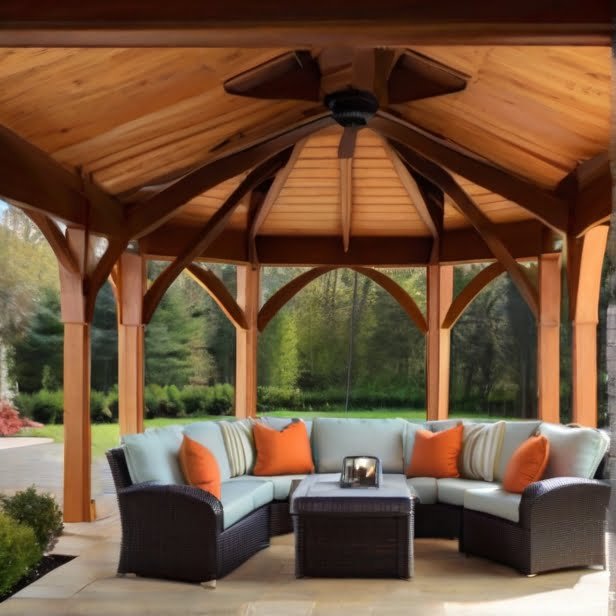
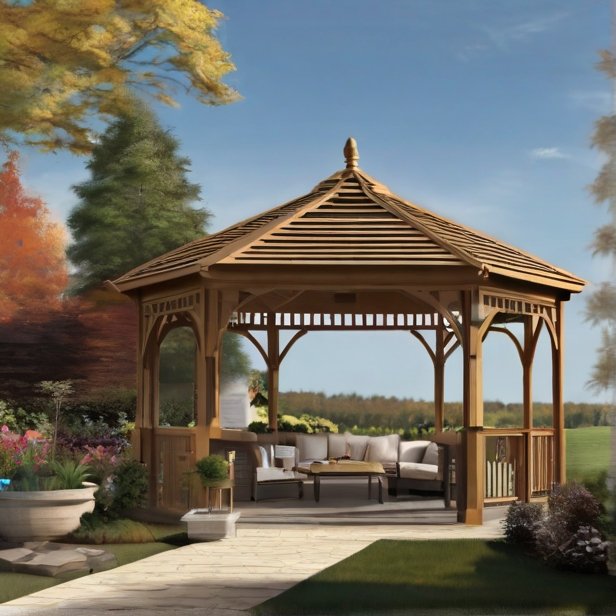
    A gazebo is a freestanding, open-sided structure that typically features a roof and is often placed in a garden or park. In construction terms, a gazebo is a standalone building that can serve various purposes, including providing shelter, enhancing the aesthetics of outdoor spaces, and creating a focal point for social gatherings.

    Gazebo construction involves careful planning and execution to ensure the structure complements its surroundings while meeting the functional needs of the space. If you’re looking to embark on a gazebo construction project, consider consulting professionals like BuildsMore Construction, experts in crafting customized gazebos that harmonize with your vision and preferences.

    How Much Does It Cost to Build a Gazebo?

    The cost of building a gazebo can vary widely based on several factors, including size, materials, design complexity, and labor. On average, homeowners can expect to invest anywhere from $1,500 to $10,000 or more for gazebo construction.

    Factors influencing costs:

    Size:

    Larger gazebos generally require more materials and labor.

    Materials:

    The choice of materials significantly impacts costs. Common materials include wood, metal, and vinyl.

    Design:

    Elaborate designs may involve more intricate construction processes, affecting overall costs.

    For a more accurate estimate, it’s advisable to obtain quotes from reputable contractors who can assess your specific requirements and provide a tailored cost estimate.

    Gazebo Construction

    What is the Main Structure of a Gazebo?

    Understanding the main structure of a gazebo is crucial for both homeowners and contractors. While designs can vary, a typical gazebo consists of the following key components:

    Foundation:

    The foundation supports the entire structure. Common options include concrete slabs, pavers, or footings.

    Posts and Beams:

    These vertical elements support the roof and provide the gazebo’s basic framework.

    Roof:

    Gazebo roofs come in various styles, such as hip, pyramid, or pagoda. Roofing materials can range from shingles to metal or thatch.

    Railings:

    Often decorative, railings add safety and visual appeal. They enclose the open sides of the gazebo.

    Understanding these components empowers homeowners to make informed decisions during the planning and construction phases.

    Why is a Gazebo Useful?

    Gazebos offer a myriad of benefits that contribute to their popularity in the construction and Remodeling industry:

    Versatility:

    Gazebos can serve multiple purposes, from providing a shaded retreat to hosting social events and outdoor dining.

    Aesthetics:

    These structures enhance the visual appeal of outdoor spaces, acting as focal points in gardens, yards, or parks.

    Increased Property Value:

    Well-designed and constructed gazebos can add value to a property, making it more attractive to potential buyers.

    Outdoor Living:

    Gazebos create an extension of indoor living to the outdoors, allowing homeowners to enjoy nature without compromising comfort.

    Gazebo Construction

    What is the Best Material for a Gazebo?

    Choosing the right material for your gazebo is a critical decision that affects both aesthetics and longevity. Here are some common materials used in gazebo construction:

    Wood:

    Classic and versatile, wood gazebos offer a natural and warm appearance. Cedar and redwood are popular choices due to their resistance to decay and insects.

    Metal:

    Aluminum and steel gazebos are durable and require minimal maintenance. They are ideal for modern designs and can withstand various weather conditions.

    Vinyl:

    Low-maintenance and affordable, vinyl gazebos resist rot, insects, and fading. They are a practical choice for those seeking a hassle-free option.

    Composite Materials:

    Combining wood fibers and plastic, composite gazebos offer the best of both worlds – the natural look of wood and the durability of plastic.

    Ultimately, the best material depends on your preferences, budget, and the specific conditions of your outdoor space.

    Conclusion

    Embarking on a gazebo construction project is an exciting journey that involves careful planning and consideration of various factors. Whether you envision a quaint garden retreat or a grand outdoor entertainment space, understanding the intricacies of gazebo construction is essential.

    For expert guidance and craftsmanship, consider reaching out to BuildsMore Construction, a trusted name in the construction and remodeling industry. Their expertise in gazebo construction ensures a seamless process, from conceptualization to realization, bringing your outdoor vision to life.

    In conclusion, a well-constructed gazebo not only enhances the aesthetics of your property but also adds value and functionality to your outdoor space. Take the first step towards creating your oasis by exploring the possibilities of gazebo construction in the construction and remodeling industry.

  • Exploring the Allure of Stone Veneer in Modernizing and Building.

    Exploring the Allure of Stone Veneer in Modernizing and Building.

    In the ever-evolving world of construction and remodeling, materials play a pivotal role in achieving both aesthetic appeal and durability. One such material that has gained immense popularity is stone veneer. Let’s dive into the intricacies of Stone Veneer, exploring its definition, cost, disadvantages, water resistance, and how it compares to brick.

    What is Stone Veneer?

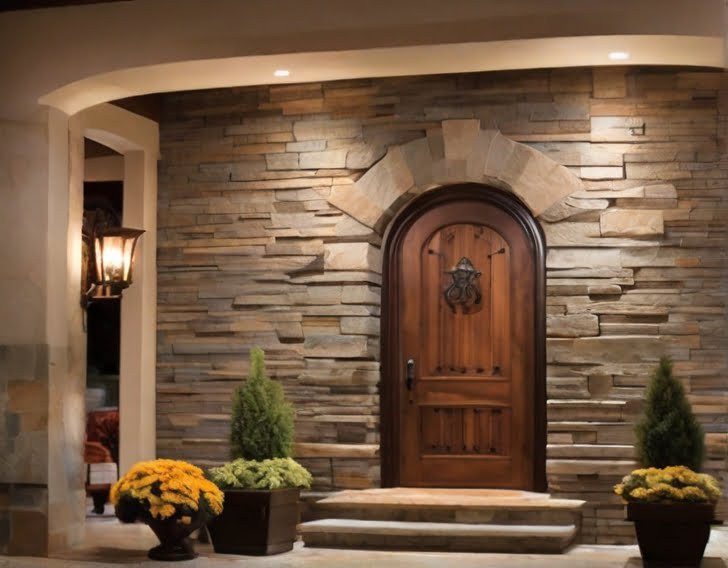
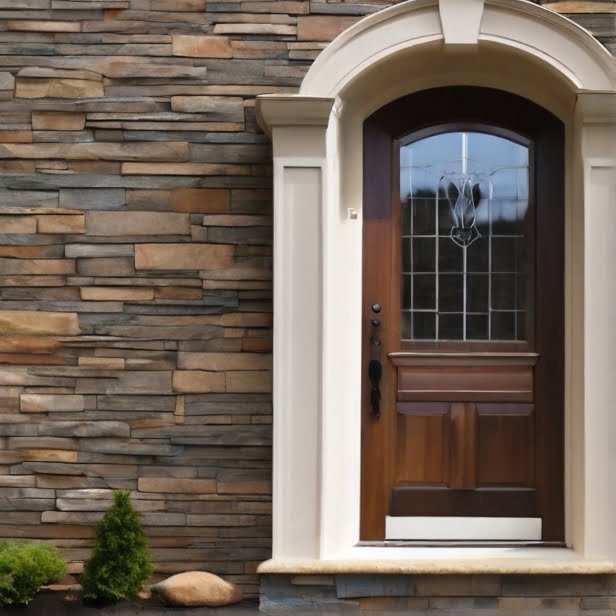
    Stone veneer, in the context of construction and remodeling, refers to a thin layer of natural stone applied to a surface. It’s a versatile material that mimics the appearance of full-depth natural stone, providing an authentic and high-end aesthetic without the weight and cost associated with traditional stone. This type of veneer is often used to enhance both interior and exterior surfaces, offering a timeless and elegant finish.

    Is Stone Veneer Expensive?

    One common concern when considering stone veneer is its cost. While it exudes luxury, the price is often more affordable than using full-depth natural stone. The cost of stone veneer can vary based on factors such as the type of stone, quality, and installation requirements. It’s crucial to consider the long-term benefits and visual appeal when evaluating the cost-effectiveness of stone veneer for your construction or remodeling project.

    For more information on the cost of stone veneer, you can visit Builds More for detailed insights.

    Disadvantages of Stone Veneer

    Despite its many advantages, it’s essential to be aware of the potential drawbacks of stone veneer. One significant disadvantage is its susceptibility to damage from impact. Unlike full-depth stone, stone veneer is more prone to chips and cracks, especially in high-traffic areas or during construction.

    Additionally, the installation process requires precision and expertise. Improper installation can lead to issues such as water infiltration and reduced longevity. It’s crucial to hire experienced professionals to ensure the stone veneer is installed correctly, mitigating potential problems down the road.

    Stone Veneer

    Is Stone Veneer Waterproof?

    The water resistance of stone veneer is a common inquiry, particularly for exterior applications. While stone veneer itself is not entirely waterproof, it does offer good resistance to water when installed correctly. The key lies in the installation process, which should include a proper moisture barrier and sealant to prevent water penetration.

    It’s important to note that despite its resistance to water, regular maintenance is essential to ensure the longevity of the stone veneer. Periodic inspections and resealing, especially in areas with harsh weather conditions, will help maintain its water-resistant properties over time.

    Is Stone Veneer Cheaper than Brick?

    Comparing stone veneer to brick is a common consideration for those embarking on Construction or remodeling projects. Both materials offer unique benefits, but stone veneer often proves to be a cost-effective alternative to traditional brick.

    The cost of brick can vary based on factors such as the type of brick, region, and installation complexity. Stone veneer, on the other hand, provides a more affordable option while delivering the rich and sophisticated appearance of natural stone. When evaluating costs, it’s crucial to consider not only the initial investment but also the long-term value and aesthetic appeal that stone veneer brings to your project.

    Types of Stone Veneer

    When it comes to stone veneer, there’s a diverse range of options to choose from, each with its unique characteristics and visual appeal. Some common types include:

    Natural Thin Stone Veneer:

    Crafted from real stone, this type provides an authentic look with reduced weight, making it suitable for various applications.

    Cultured Stone Veneer:

    Also known as manufactured or faux stone, this type is made from a mix of cement, aggregates, and iron oxides, mimicking the appearance of natural stone.

    Stacked Stone Veneer:

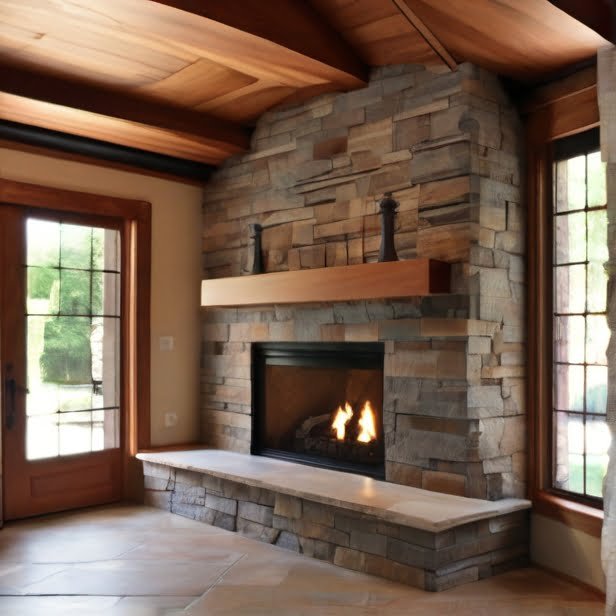
    This style involves arranging stones in a stacked pattern, creating a modern and eye-catching design. It’s a popular choice for accent walls and fireplace surrounds.

    Understanding the different types allows you to choose the one that best aligns with your project goals and aesthetic preferences.

    Maintenance and Care

    Maintaining the beauty of stone veneer involves a combination of proper installation and regular care. Here are some tips for maintaining your stone veneer:

    Cleaning:

    Use a mild detergent and water solution to clean the surface. Avoid harsh chemicals that may damage the stone or affect its color.

    Sealing:

    Applying a quality sealer enhances the water resistance of stone veneer. Consult with your installer to determine the appropriate sealer for your specific type of veneer.

    Inspections:

    Periodically inspect the stone veneer for any signs of damage, such as cracks or chips. Prompt repairs can prevent more extensive issues.

    Stone Veneer

    Installation Considerations

    Successful installation is crucial for the longevity and performance of stone veneer. Here are some key considerations during the installation process:

    Substrate Preparation:

    Ensure that the surface where the stone veneer will be applied is clean, structurally sound, and free of moisture.

    Weather Conditions:

    Avoid installing stone veneer during extreme weather conditions, such as extreme heat or cold, as it can impact the curing process of adhesives and sealants.

    Professional Installation:

    While some homeowners may attempt a DIY installation, hiring professionals ensures precision and adherence to industry standards.

    Environmental Impact

    As sustainability becomes a growing concern in construction, it’s essential to consider the environmental impact of materials. Stone veneer, particularly natural thin stone veneer, tends to have a lower environmental impact compared to full-depth natural stone. The reduced weight means less energy is required for transportation, contributing to a more eco-friendly choice for environmentally conscious projects.

    Conclusion

    Stone veneer stands as a testament to the innovation within the construction and remodeling industry. Its ability to combine the luxurious appearance of natural stone with practical benefits makes it a popular choice for a wide range of projects. As with any construction material, careful consideration of factors such as cost, disadvantages, water resistance, and comparison to alternatives like brick is essential.

    If you’re considering stone veneer for your next project, visit Builds More for expert guidance and a comprehensive understanding of the costs involved. Embrace the beauty and durability of stone veneer, transforming your space into a timeless masterpiece.

  • Choosing and Building the Perfect Retaining Wall

    Choosing and Building the Perfect Retaining Wall

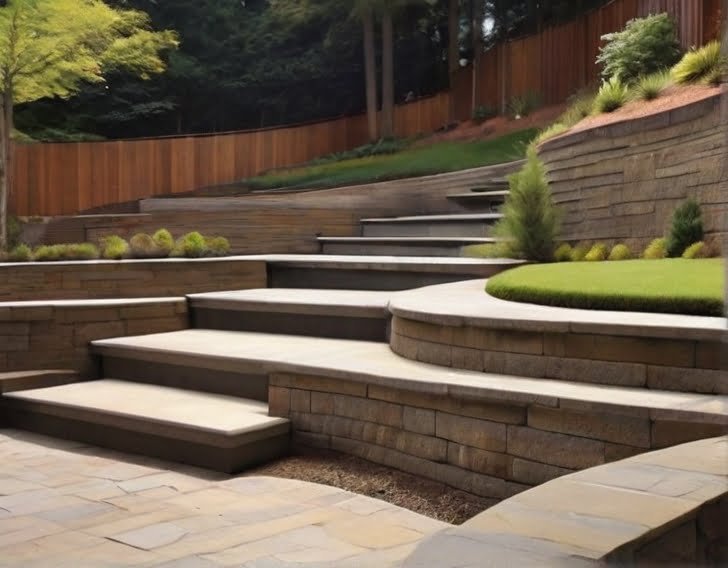
    The construction and remodeling industry offer a plethora of options for enhancing both the aesthetics and functionality of outdoor spaces. Retaining walls, in particular, play a crucial role in providing support, preventing erosion, and adding a distinctive touch to landscaping projects. In this comprehensive guide, we’ll explore the process of building a Retaining Wall, delve into the four main types, discuss the best choices, explore the strongest options, and examine the materials commonly used behind these walls.

    Understanding the Retaining Wall Construction Process

    Building a retaining wall requires careful planning and execution. The process involves several key steps to ensure stability and longevity. Here’s a step-by-step guide to constructing a retaining wall:

    Site Preparation:

    Before commencing the construction, assess the site and determine the layout of the retaining wall. Clear the area of any debris, vegetation, or obstacles that might hinder the construction process.

    Excavation:

    Dig a trench where the base of the retaining wall will be located. The depth and width of the trench depend on the height and type of wall you’re constructing. Ensure a firm and level base.

    Foundation:

    Lay a sturdy foundation using gravel or crushed stone. This foundation provides stability and drainage, crucial for the longevity of the retaining wall.

    First Course Placement:

    Lay the first course of retaining wall blocks or stones in the trench. Ensure level placement, using a level and rubber mallet to adjust as needed.

    Backfilling:

    Fill the space behind the first course with crushed stone or gravel. This allows for proper drainage and prevents water buildup that can compromise the wall’s integrity.

    Additional Courses:

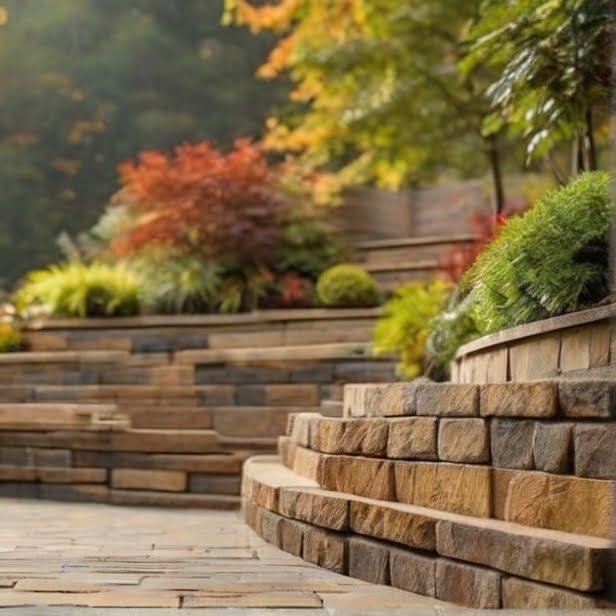
    Continue stacking courses of blocks or stones, ensuring each layer is level and securely placed. Use adhesive or interlocking mechanisms to enhance stability.

    Compaction:

    Compact the backfilled material regularly as you build the wall to prevent settling. This is a crucial step to maintain the structural integrity of the retaining wall.

    Drainage Considerations:

    Incorporate drainage elements, such as perforated pipes, gravel-filled trenches, or weep holes in the wall, to redirect water away from the structure.

    Cap Installation:

    Finish the wall by installing caps on the top course. Caps provide a finished look and help protect the wall from the elements.

    By following these steps, you can create a durable and visually appealing retaining wall that enhances the overall design of your outdoor space.

    Retaining Wall

    Exploring the Four Types of Retaining Walls

    Retaining walls come in various types, each catering to specific needs and preferences. Here are the four main types:

    Gravity Retaining Walls:

    These walls rely on their weight and mass to resist pressure from the soil behind them. They are suitable for low to medium-height applications and are known for their simplicity and cost-effectiveness.

    Cantilever Retaining Walls:

    Cantilever walls use a concrete slab foundation and an extended arm, or “stem,” that reaches back into the retained soil. They are suitable for moderate to high walls and offer stability and strength.

    Sheet Pile Retaining Walls:

    Commonly used in waterfront or marine environments, sheet pile walls consist of interlocking steel, vinyl, or wood panels driven into the ground. They are effective in preventing soil erosion and are often used for temporary structures.

    Anchored Retaining Walls:

    Anchored walls incorporate additional support through the use of cables or rods anchored into the soil or rock behind the wall. This type is ideal for taller walls and provides enhanced stability.

    Determining the Best Type of Retaining Wall

    The choice of the best retaining wall type depends on various factors, including the specific requirements of the project, soil conditions, and budget constraints. While gravity walls are suitable for shorter applications, cantilever walls offer a balance of strength and versatility. Sheet pile walls are excellent for waterfront locations, and anchored walls provide the necessary support for taller structures.

    To determine the best type for your project, consider factors such as the wall’s height, the soil’s characteristics, drainage requirements, and aesthetic preferences. Consulting with a professional in the construction and remodeling industry can provide valuable insights tailored to your specific needs.

    Unveiling the Strongest Retaining Wall Options

    Strength is a critical factor when choosing a retaining wall, especially for applications where the wall needs to withstand significant pressure. Among the various types, anchored retaining walls stand out as the strongest option. The incorporation of cables or rods anchored into the soil or rock behind the wall provides additional support, making them suitable for taller structures and challenging soil conditions.

    When strength is a primary concern, consulting with an experienced contractor or engineer is essential. They can assess the specific requirements of your project and recommend the most robust retaining wall solution tailored to your needs.

    Retaining Wall

    Materials Used Behind Retaining Walls

    The material used behind retaining walls, known as backfill, plays a crucial role in ensuring proper drainage and stability. Common materials include:

    Crushed Stone or Gravel:

    These materials provide excellent drainage and help prevent water buildup behind the retaining wall.

    Drainage Pipes:

    Perforated drainage pipes are often used to direct water away from the wall, preventing pressure buildup.

    Filter Fabric:

    Placed between the backfill material and the soil, filter fabric prevents soil particles from clogging drainage elements.

    Geogrid:

    Geogrid is a reinforcing material that enhances the stability of the soil behind the retaining wall, reducing the risk of erosion.

    Choosing the right backfill material depends on the specific requirements of your project, soil conditions, and drainage needs. Consulting with a construction professional can help you make informed decisions that contribute to the longevity and effectiveness of your retaining wall.

    Conclusion

    In conclusion, retaining walls play a crucial role in the construction and remodeling industry, offering both functional and aesthetic benefits. Understanding the construction process, exploring the different types, determining the best choice, considering strength options, and selecting appropriate backfill materials are key aspects of successfully incorporating retaining walls into your outdoor spaces.

    For more detailed information and professional assistance in retaining wall construction, visit BuildsMore Construction and Remodeling. Their expertise and commitment to quality make them a reliable partner in bringing your retaining wall visions to life.

    By following these guidelines and seeking expert advice, you can create a retaining wall that not only serves its practical purpose but also enhances the overall beauty and functionality of your outdoor environment.