Author: admin

  • Unveiling Excellence in Roofing: Your Trusted Partner in New Jersey

    Unveiling Excellence in Roofing: Your Trusted Partner in New Jersey

    Introduction

    In the heart of New Jersey, the demand for reliable and quality roofing services has never been more critical. Whether it’s a charming residential bungalow or a sprawling commercial complex, the integrity of every structure lies in the robustness of its roof.

    This article delves into why our roofing company stands out as a beacon of trust and expertise in the bustling New Jersey roofing market.

    Unmatched Roof Repair Services in New Jersey

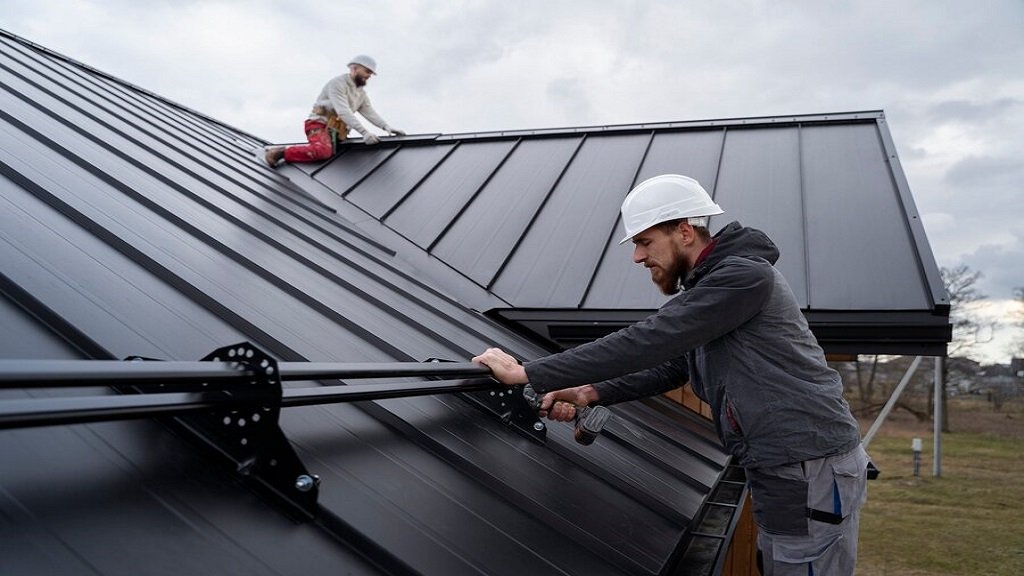
    New Jersey’s weather can be unpredictable, posing various challenges to the longevity and durability of your roof. Our New Jersey roof repair services are tailored to address common issues such as leaks, damage from storms, and wear over time.

    With a team of seasoned professionals, we ensure that each repair job extends your roof’s life and enhances its performance against the elements. Our approach is not just about fixing problems—it’s about fortifying your home or business against future issues.

    The Best Roofing Contractors in NJ

    What sets the best roofing contractors apart? It is their commitment to excellence, precision in craftsmanship, and customer satisfaction. As one of the best roofing contractors in NJ, we pride ourselves on our team’s expertise and our use of high-quality materials.

    From the initial consultation to the final installation, our process is designed to provide peace of mind and a clear understanding of the work being undertaken. Our clients appreciate our transparent communication and the personalized solutions we offer.

    Leading NJ Commercial Roofing Solutions

    Commercial roofing  demands a different set of skills and materials due to the scale and complexity of the projects. Our NJ commercial roofing solutions cater to businesses of all sizes. We specialize in installing durable roofing systems that provide high performance and low maintenance costs.

    Our projects include the latest in roofing technology, ensuring that each commercial client receives the best possible outcome for their investment. Whether it’s a repair, a new installation, or routine maintenance, we handle it all with the utmost professionalism.

    Expert Residential Roof Installation in NJ

    Choosing the right contractor for residential roof installation in NJ can significantly impact your home’s aesthetics and its protective function. We understand that a roof is a significant investment and an integral part of your home’s security and curb appeal.

    Our team works closely with homeowners to select the best materials and styles that match their homes and budget. We ensure a seamless installation process, minimizing disruption and maximizing efficiency.

    Why Choose Us?

    Trust and Reliability: 

    Our reputation in New Jersey as a leading roofing company is built on trust and reliability. We are committed to delivering on our promises and exceeding our clients’ expectations.

    Expertise and Professionalism: 

    With years of experience and a profound knowledge of roofing technologies and techniques, our team is equipped to handle any roofing challenge, big or small.

    Quality and Durability: 

    We use only the highest quality materials, ensuring that each roofing solution we provide is built to last and withstand the harsh New Jersey climate.

    Customer Satisfaction: 

    Our goal is to ensure that every client is completely satisfied with the outcome of their roofing project. We achieve this through meticulous planning, execution, and follow-up.

    Seamless Project Management and Timely Delivery

    Our project management team excels in coordinating and executing roofing projects with precision. We understand that timing is crucial, especially when dealing with roof installations or repairs that may affect daily operations or home safety.

    Our commitment to timely delivery sets us apart, ensuring that projects are completed within the agreed timelines and with minimal disruption.

    Comprehensive Warranties and Support

    When you choose our services, you’re not just getting a roof; you’re also gaining peace of mind. We offer comprehensive warranties that cover materials and labor, giving you confidence in your investment.

    Our post-installation support and regular maintenance checks help to prolong the lifespan of your roof and ensure it continues to perform at its best.

    Eco-Friendly Roofing  replacement Options

    As we move towards more sustainable building practices, our roofing company remains at the forefront by offering eco-friendly roofing options. These include materials that are recyclable and energy-efficient, as well as designs that support solar installations. Choosing an eco-friendly roof can reduce your energy costs and help you contribute to a healthier environment.

    Safety Standards and Compliance

    Safety is our top priority, both for our clients and our team. We adhere to strict safety protocols and comply with all local and national roofing standards. Our workers are trained in the latest safety techniques, ensuring that every project is completed without incident.

    Tailored Solutions for Every Roofing Need

    No two roofs are the same, and no two clients have the same needs. That’s why we offer tailored roofing solutions. Whether you’re looking for quick repairs, a complete overhaul, or specific aesthetic preferences, we adapt our services to meet your unique requirements.

    Our consultative approach ensures that every aspect of your roofing project is aligned with your expectations and budget.

    Your Partner in Roofing Excellence

    Choosing the right roofing company is critical to ensuring the longevity and performance of your roof. In New Jersey, where the roofs bear the brunt of harsh weather conditions, you need a partner you can trust. Our commitment to quality, combined with our expertise and customer-centric approach, makes us the ideal choice for all your roofing needs.

    Ready to Start Your Roofing Project?

    If you’re in New Jersey and need professional roofing services, whether it’s for repair, installation, or maintenance, don’t hesitate to contact us. Our team is ready to provide you with the best roofing solutions, tailored to your needs and backed by our guarantee of satisfaction. Reach out today and take the first step towards a safer, more reliable roof for your property.


    Conclusion

    For those seeking New Jersey roof repair services, the best roofing contractors in NJ, comprehensive NJ commercial roofing solutions, or expert residential roof installation in NJ, look no further. Our roofing company is your premier choice for unmatched quality and service.

    Contact us today to schedule a consultation and see how we can transform your roofing needs into a successful project with lasting results.
     

  • Revolutionize Your Projects with Concrete Services!

    Revolutionize Your Projects with Concrete Services!

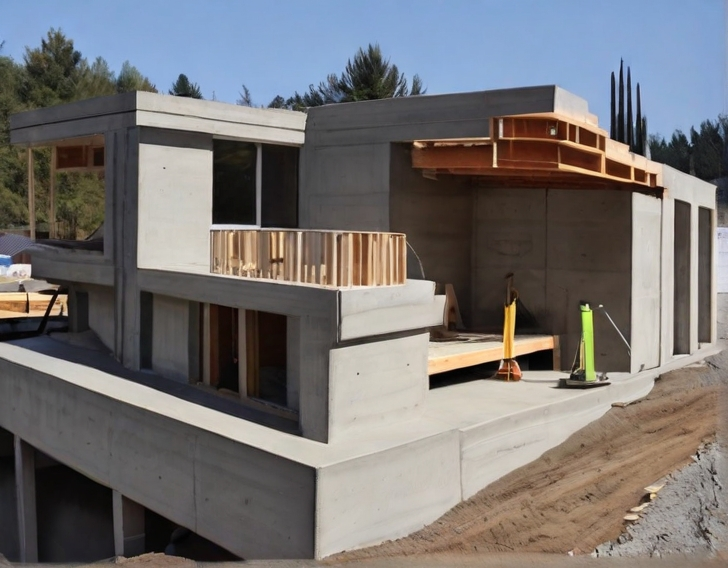
    In the dynamic world of construction and remodeling, the choice of materials plays a pivotal role in determining the success and longevity of a project. Among these materials, concrete stands out as a versatile, durable, and cost-effective option. That has been the cornerstone of construction for centuries. In this comprehensive guide, we’ll delve deeper into Concrete Services, exploring its properties, applications, and best practices for optimal results.

    Understanding the Concrete Process

    Concrete is a composite material composed of aggregates (such as sand and gravel), cement, and water. The process of creating concrete involves carefully proportioning. These ingredients to achieve the desired strength, durability, and workability. Here’s a brief overview of the concrete-making process:

    1. Mixing: Aggregates, cement, and water are combined in precise proportions to form a homogenous mixture.
    2. Pouring: The mixed concrete is then poured into molds or formwork, where it’s allowed to set and harden.
    3. Curing: After pouring, the concrete undergoes a curing process, which involves maintaining adequate moisture and temperature conditions to ensure proper hydration and strength development.

    Five Common Uses of Concrete

    Concrete’s versatility lends itself to a myriad of applications across different industries. Here are five common uses:

    1. Foundations and Footings: Concrete provides a stable and strong foundation for buildings, bridges, and other structures.
    2. Driveways and Walkways: Its durability makes concrete an ideal choice for surfacing driveways, sidewalks, and pathways.
    3. Structural Elements: Concrete is used to construct columns, beams, and slabs in building frameworks.
    4. Roads and Pavements: Many highways, streets, and airport runways are paved with concrete due to its strength and longevity.
    5. Decorative Features: Beyond its structural uses, concrete services can be molded and colored to create decorative elements like countertops, statues, and architectural facades.

    Cement vs. Concrete:

    While often used interchangeably, cement and concrete are distinct materials with different compositions and properties:

    Cement:

    Cement is a crucial component in Remodeling Services, as it is a fine powder derived from limestone, clay, and other minerals. When combined with water and aggregates, it functions as a binding agent, creating a paste that solidifies and effectively binds the aggregates together. This process plays a significant role in various remodeling projects, contributing to the overall strength and durability of structures.

    Concrete:

    Concrete, on the other hand, is the composite material formed by mixing cement, aggregates (such as sand and gravel), and water. When the cement paste binds the aggregates, it creates a solid and durable material.

    Exploring Concrete Grades and Mixes

    Concrete grades are standardized classifications that denote the strength and quality of the concrete mix. The strength of concrete is typically measured in pounds per square inch (psi). Here’s a breakdown of common concrete grades:

    1. Grade 20 (C20): Suitable for non-structural applications such as sidewalks and pathways.
    2. Grade 25 (C25): Commonly used for residential construction, including foundations and footings.
    3. Grade 30 (C30): Ideal for structural applications such as beams, columns, and slabs.
    4. Grade 35 (C35): Provides increased strength for heavy-duty structural elements and commercial projects.
    5. Grade 40 (C40): Used in high-stress applications where maximum strength is required. Such as bridges and high-rise buildings.

    Understanding the 1-2-3 Mix Ratio

    The 1-2-3 mix ratio is a simple method for batching concrete ingredients by volume. It consists of:

    • 1 part cement
    • 2 parts sand
    • 3 parts gravel or crushed stone

    This mix ratio is commonly used for small-scale projects and provides a balance of strength, workability, and economy.

    PSI in Concrete: What Does It Mean?

    PSI, or pounds per square inch, is a measure of the compressive strength of concrete. It indicates the maximum load or stress a concrete specimen can withstand before failure. The PSI rating of concrete varies depending on its grade and intended use. Higher PSI values indicate greater strength and durability.

    Concrete Grades:

    In summary, concrete Services is a versatile and indispensable material in the construction and remodeling industry. Its manufacturing process involves mixing aggregates, cement, and water, followed by pouring and curing. Concrete finds widespread use in foundations, driveways, structural elements, roads, and decorative features. Understanding the distinction between cement and concrete is crucial. As is knowing the various grades and mix ratios for different applications.

    Whether you’re embarking on a DIY project or overseeing a large-scale construction endeavor, having a solid understanding of concrete fundamentals will ensure the success and longevity of your project.

    For professional concrete services tailored to your specific needs, visit Buildsmore Construction. Their team of experts specializes in delivering high-quality concrete solutions for residential and commercial projects alike.

    By incorporating these insights into your next construction venture. You’ll be well-equipped to harness the full potential of concrete as a building material.


  • Mastering the Art of Retaining Wall Construction

    Mastering the Art of Retaining Wall Construction

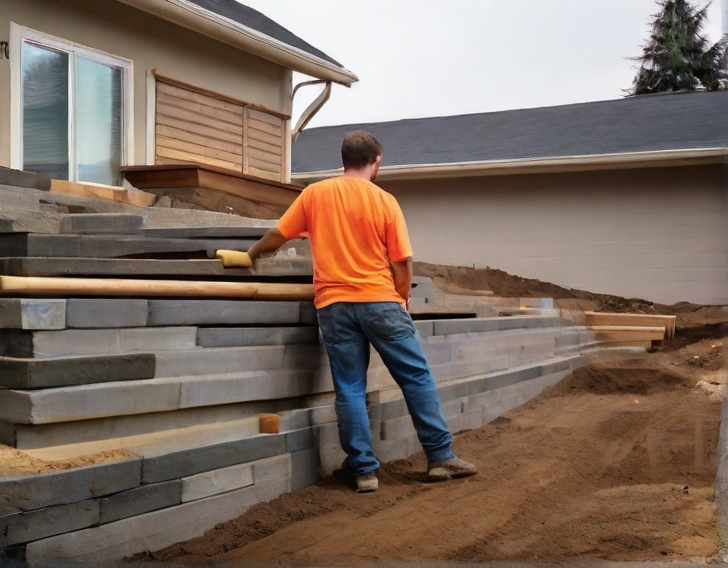
    Retaining walls are indispensable features in construction and landscaping, serving vital roles in stabilizing slopes, preventing soil erosion, and creating functional outdoor spaces. Whether you’re embarking on a residential landscaping project or managing a large-scale infrastructure development, understanding the principles of Retaining Wall design is crucial for ensuring structural integrity and long-term success. In this comprehensive guide, we’ll delve deep into the essential rules, dimensions, and nuances of Retaining Wall construction, equipping you with the knowledge needed to tackle any project with confidence and precision.

    Understanding Retaining Wall Design:

    Basic Rule of Retaining Wall Design:

    At the heart of retaining wall design lies the fundamental principle of stability. A well-designed retaining wall must effectively withstand the lateral pressure exerted by soil and other retained materials while maintaining its intended height and function. Proper drainage, adequate reinforcement, and appropriate material selection are key factors in achieving structural resilience and longevity.

    Maximum Height of a Retaining Wall:

    Determining the maximum allowable height of a retaining wall involves careful consideration of various factors, including soil characteristics, slope angle, and local building codes. In general, gravity walls, constructed from robust materials such as concrete or stone, can typically reach heights of up to 4 feet without additional reinforcement. However, taller walls may require engineered solutions such as reinforced concrete or anchored systems to ensure stability and safety.

    Minimum Depth of a Retaining Wall:

    The minimum depth of a retaining wall’s foundation is critical for providing adequate support and stability. Factors such as frost line depth, soil conditions, and wall height influence the depth of the foundation. By extending the foundation below the frost line and into stable soil, engineers can mitigate the risk of frost heave and ensure the long-term integrity of the retaining wall.

    Minimum Thickness of a Retaining Wall:

    The minimum thickness of a retaining wall is dictated by engineering standards, material properties, and the anticipated loads the wall will bear. Walls constructed from concrete blocks or poured concrete typically have prescribed minimum thickness requirements to withstand lateral soil pressure and structural loads. Compliance with local building codes and industry standards is essential to ensure the structural adequacy of the retaining wall.

    Difference Between D Wall and Retaining Wall:

    While the terms “D wall” and “retaining wall” are often used interchangeably, there are subtle distinctions between the two. A retaining wall is specifically designed to retain soil and prevent erosion on sloped terrain, whereas a D wall refers to a particular type of retaining wall shaped like the letter “D.” D walls are commonly used in waterfront or marine environments to provide structural support and protect against erosion caused by water currents. In the context of Renovation Services, understanding these differences can be crucial when planning and implementing landscaping projects, particularly in areas prone to soil erosion or where waterfront properties require stabilization.

    Difference Between a Wall and a Retaining Wall:

    While both walls and retaining walls serve as barriers or partitions, their primary functions and design considerations differ significantly. Standard walls are primarily intended for enclosure, privacy, or aesthetic enhancement, whereas retaining walls are engineered to resist lateral soil pressure and prevent slope instability. Retaining walls play a critical role in landscape architecture, infrastructure development. And environmental protection by creating level terraces, supporting structures, and preventing soil erosion.

    What are 3 failures of retaining wall?

    Three common failures of retaining walls include:

    Overturning:

    Overturning occurs when the lateral pressure exerted by the retained soil exceeds the resisting capacity of the wall, causing it to tilt or topple over. This failure often occurs due to inadequate design, improper construction techniques, or insufficient anchoring. Factors such as poor drainage, expansive soils, or seismic activity can exacerbate the risk of overturning.

    Sliding:

    Sliding failure occurs when the base of the retaining wall loses its frictional grip with the underlying soil. Leading to horizontal movement or displacement. Sliding can result from inadequate foundation design, insufficient embedment depth, or inadequate reinforcement. Water infiltration, soil saturation, or slope instability can further contribute to sliding failures.

    Settlement:

    Settlement failure occurs when the retaining wall or its foundation experiences uneven or excessive vertical movement, compromising its structural integrity. Common causes of settlement include inadequate soil compaction, poor foundation preparation, or differential loading. Settlement can manifest as cracks, tilting, or uneven settlement along the length of the wall, jeopardizing its stability and performance over time.

    Addressing these potential failure modes requires careful consideration of site-specific conditions, proper design principles, and implementation of effective Construction Company New Jersey practices. Engaging qualified engineers, conducting thorough site investigations, and adhering to industry standards and regulatory requirements. Are essential steps in mitigating the risk of retaining wall failures and ensuring the long-term performance and safety of retaining wall structures.

    Conclusion:

    Mastering the design and construction of retaining walls is essential for achieving superior results in construction and landscaping projects. By adhering to the fundamental principles and dimensions outlined in this guide. You can approach retaining wall projects with confidence and expertise. Remember to engage experienced professionals, conduct thorough site evaluations. And adhere to industry best practices and regulatory requirements to ensure the success and durability of your retaining wall structures. With meticulous planning, skilled craftsmanship, and attention to detail. You can create retaining walls that not only enhance the beauty and functionality of outdoor spaces but also stand the test of time.

  • Everything You Need to Know About Gazebo Construction

    Everything You Need to Know About Gazebo Construction

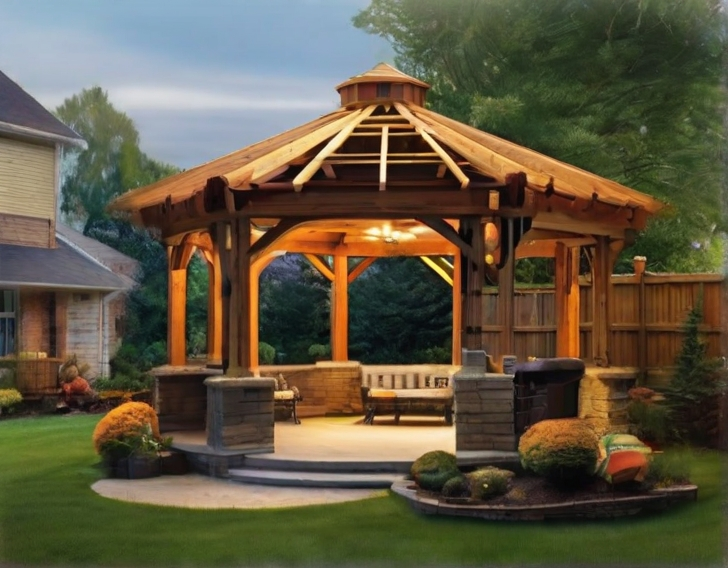
    In the realm of outdoor living spaces, gazebos stand as timeless structures that blend functionality with aesthetic appeal. Whether you envision a cozy retreat in your backyard or an elegant addition to your garden, understanding the ins and outs of Gazebo Construction is essential. In this comprehensive guide, we delve into the purpose of gazebos, cost considerations, materials used, differences between gazebos and canopies, factors influencing pricing, and the possibility of adding walls to your gazebo.

    What’s the Purpose of a Gazebo?

    Gazebos serve multiple purposes, ranging from providing a shaded retreat in your backyard to creating a picturesque venue for outdoor events. These versatile structures offer a sanctuary for relaxation, outdoor dining, social gatherings, and even as a focal point for garden landscaping. A well-designed gazebo adds character to your outdoor space while offering protection from the elements, making it an ideal spot for enjoying nature regardless of the weather.

    Is it Cheaper to Build Your Own Gazebo?

    While building your own gazebo may seem like a cost-effective option, it requires careful planning, adequate skills, and access to appropriate tools and materials. The overall cost of a DIY gazebo depends on various factors such as the size, design complexity, choice of materials, and your level of expertise. While it may be cheaper in terms of labor costs, keep in mind that mistakes or improper construction could lead to additional expenses in the long run. Consider consulting professionals or utilizing gazebo kits for a more straightforward DIY approach.

    Cost Considerations: DIY vs. Professional Construction:

    Delve into the cost factors involved in gazebo construction and weigh the pros and cons of DIY versus hiring a professional builder. Learn strategies for budgeting, sourcing materials, and optimizing labor costs to achieve your desired outcome without breaking the bank. Gain insight into the potential savings and challenges associated with each approach to make an informed decision that aligns with your budget and skill level.

    What is the Roof of a Gazebo Made Of?

    As a Construction Company in New Jersey, you’ll find various materials suitable for the roof of a gazebo, each offering unique advantages in terms of durability, aesthetics, and maintenance. Common options include:

    Wood:

    Wooden roofs exude a rustic charm and blend seamlessly with natural surroundings. Cedar, redwood, and pressure-treated pine are popular choices due to their resistance to rot and insect damage.

    Metal:

    Metal roofs, such as aluminum or steel, provide superior durability and require minimal maintenance. They offer excellent protection against the elements and can be customized to match the overall design of the gazebo.

    Fabric:

    Fabric roofs, often made of polyester or canvas, are lightweight and flexible. They provide ample shade and can be easily replaced if damaged. Fabric gazebos are popular for temporary or seasonal use.

    Shingles:

    Asphalt shingles offer a traditional look and are available in various colors to complement your gazebo’s aesthetic. They provide excellent protection against rain and UV rays, ensuring longevity with proper installation and maintenance.

    What is the Difference Between a Gazebo and a Canopy?

    Gazebos and canopies are both outdoor structures designed to provide shade and shelter, but they differ in terms of construction, versatility, and permanence.

    Construction: Gazebos feature a solid roof supported by a framework of posts and often have open sides, providing a more permanent and substantial structure. Canopies, on the other hand, typically consist of a fabric roof supported by a lightweight frame and are more temporary in nature.

    Versatility: Gazebos offer a versatile outdoor living space that can be customized with amenities such as seating, lighting, and decorative elements. Canopies are more basic in design and primarily serve as portable shelters for events or gatherings.

    Permanence: Gazebos are designed to be permanent fixtures in your outdoor space, providing long-term enjoyment and value. Canopies are more transient and can be easily assembled and disassembled for temporary use at events or gatherings.

    Why are Gazebos So Expensive?

    Several factors contribute to the cost of gazebos, including materials, size, design complexity, and additional features. High-quality materials such as cedar or redwood command a premium price due to their durability and aesthetic appeal. Larger gazebos with intricate designs require more materials and labor, resulting in higher costs. Additionally, features such as built-in seating, electrical wiring, and decorative elements can further increase the price. Investing in a well-built gazebo from reputable providers like BuildsMore ensures longevity and satisfaction, justifying the initial expense.

    Choosing the Right Materials for Your Gazebo Roof:

    Explore the wide range of roofing materials available for gazebos and their unique characteristics. From traditional wood and durable metal to lightweight fabric and versatile shingles, each material offers distinct advantages in terms of aesthetics, durability, and maintenance. Consider factors such as climate, budget, and design preferences when selecting the ideal roof for your gazebo.

    Can a Gazebo Have Walls?

    Yes, gazebos can have walls added to provide additional protection from the elements and privacy. Depending on your preferences and intended use, you can choose from various wall options, including screens, curtains, or solid panels. Screen walls offer ventilation while keeping insects out, making them ideal for summer months. Curtains or drapes provide privacy and can be drawn closed for intimate gatherings or relaxation. Solid panels offer maximum protection from wind, rain, and cold weather, extending the usability of your gazebo throughout the year.

    Conclusion:

    Gazebo construction is a multifaceted endeavor that requires careful consideration of purpose, cost, materials, and design. Whether you opt for a DIY approach or enlist the help of professionals, understanding the fundamentals of gazebo construction empowers. You to create a stunning outdoor retreat tailored to your needs and preferences. By investing in quality materials and craftsmanship. You can enjoy years of relaxation, entertainment, and appreciation of the great outdoors in your very own gazebo.

  • Mastering Railings Installation Essentials

    Mastering Railings Installation Essentials

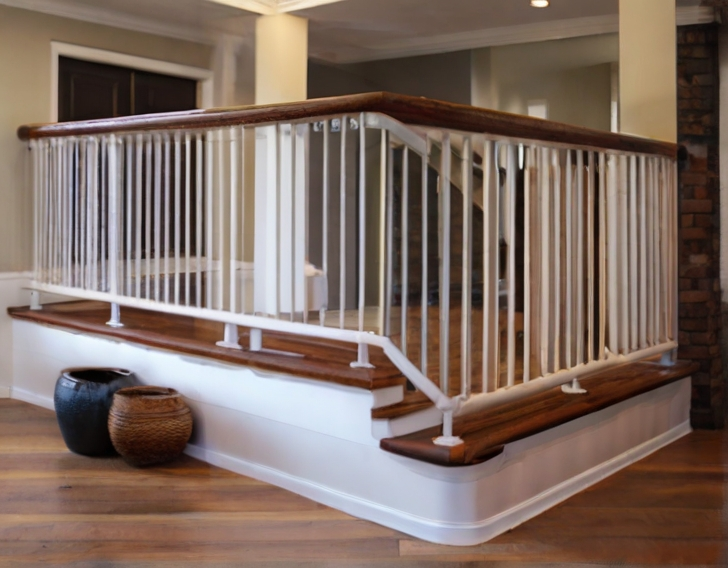
    Railings serve as both functional and aesthetic elements in any construction or remodeling project. Whether you’re enhancing the safety of a staircase or adding a touch of elegance to a balcony, choosing the right railings and installing them correctly is crucial. In this comprehensive guide, we’ll delve into everything you need to know about Railings Installation in the construction and remodeling industry.

    Cost Considerations:

    One of the first questions that often arises when considering railings installation is the cost. The cost per foot can vary depending on factors such as material, design, and complexity of installation. On average, railings can cost anywhere from $50 to $200 per linear foot. Factors such as ornate designs or premium materials like stainless steel may increase the cost.

    Standard Sizes:

    Railings come in various standard sizes to accommodate different applications. The standard height for most railings is around 36 inches, but this can vary depending on building codes and safety regulations in your area. Additionally, the width of railings can vary depending on the intended use and aesthetic preferences.

    Maintenance Requirements:

    Metal railings are known for their durability and low maintenance requirements. However, to ensure their longevity, regular cleaning and inspections are necessary. Metal railings should be cleaned with a mild detergent and water to remove dirt and grime. Additionally, metal railings may require periodic repainting or refinishing to prevent corrosion.

    Glass Railings:

    Glass railings offer a sleek and modern look that is suitable for both indoor and outdoor applications. These transparent barriers provide unobstructed views while still offering safety and security. Glass railings are highly versatile and can be customized to fit any space. However, proper installation is essential to ensure stability and safety.

    Wooden Railings Lifespan and Maintenance:

    Wooden railings enhance the warmth and character of any space but demand more upkeep compared to metal or glass railings. The longevity of wooden railings hinges on the type of wood and climate conditions. Regular sealing or staining is crucial to extend their lifespan and protect against moisture and rot. Inspecting wooden railings for signs of damage or wear is also essential for safety, especially when considering Remodeling Services.

    Design Trends:

    In the realm of modern railings installation, several design trends are gaining popularity. Sleek and minimalist designs with clean lines are favored for contemporary spaces. Additionally, mixing materials such as metal and wood or incorporating unique geometric patterns can add visual interest to railings. Glass railings with stainless steel accents are also a popular choice for a modern and luxurious look.

    Understanding Cost Factors:

    When planning a railings installation project, it’s essential to consider the cost factors involved. The cost per foot of railings can vary significantly based on several factors, including the material chosen, design complexity, and labor expenses. Materials such as wrought iron, stainless steel, aluminum, and wood each come with their own price points and maintenance requirements. Additionally, custom designs or intricate patterns may increase the overall cost of the project.

    Standard Sizes and Regulations:

    Railings must comply with building codes and safety regulations to ensure the well-being of occupants. The standard height for railings typically ranges from 36 to 42 inches, depending on the application and local building codes. Additionally, railings must meet specific requirements for spacing between balusters or pickets to prevent accidents and ensure compliance with safety standards.

    Indoor and Outdoor Applications of Glass Railings:

    Glass railings offer a modern and sophisticated aesthetic that complements a variety of architectural styles. These transparent barriers provide unobstructed views and allow natural light to flow freely, making them an excellent choice for both indoor and outdoor applications. Whether used for staircases, balconies, or decks, glass railings can enhance the visual appeal of any space while providing safety and security.

    Maximizing the Lifespan of Wooden Railings:

    Wooden railings add warmth and charm to any environment but require proper care to maintain their appearance and structural integrity. Regular inspections for signs of rot, insect damage, or wear and tear are essential for identifying and addressing maintenance issues promptly. Applying a high-quality sealant or stain can help protect wooden railings from moisture damage and prolong their lifespan. When seeking a Construction Company in New Jersey, ensure they prioritize quality materials and maintenance for lasting results.

    Innovative Design Trends:

    Innovative design trends are reshaping the landscape of railings installation, offering homeowners and builders a wide range of creative options to explore. From sleek and minimalist designs to bold and artistic statements, there’s no shortage of possibilities when it comes to railings aesthetics. Mixing materials, experimenting with textures, and incorporating custom features are just a few ways to infuse personality and style into railings installations.

    Conclusion:

    Railings installation is a critical aspect of any construction or remodeling project, requiring careful planning, attention to detail, and expert craftsmanship. By understanding the cost factors, standard regulations, maintenance requirements, and design trends associated with railings installation, you can make informed decisions that enhance the functionality and beauty of your space. Whether you prefer the timeless elegance of wrought iron, the modern appeal of glass, or the natural warmth of wood, investing in quality railings installation is an investment in the long-term value and enjoyment of your property.

  • Benefits of Stone Veneer in Construction and Remodeling Services

    Benefits of Stone Veneer in Construction and Remodeling Services

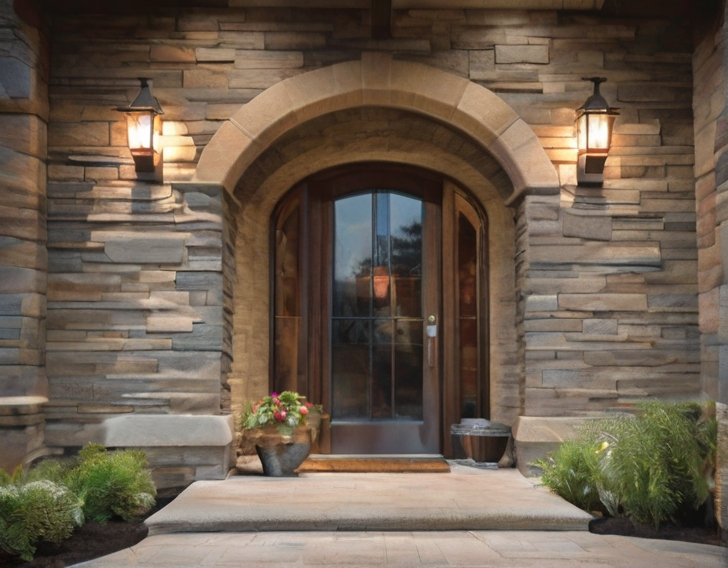
    In the realm of construction and remodeling, the allure of stone veneer stands unparalleled. Its timeless elegance and versatility have made it a staple choice for homeowners, architects, and builders alike. From rustic charm to contemporary chic, Stone Veneer offers an array of aesthetic options to suit any design preference. But beyond its visual appeal. There’s much more to discover about this remarkable building material.

    How Thick is Real Stone Veneer?

    One of the primary concerns when considering stone veneer is its thickness. Real stone veneer typically ranges from 1 to 4 inches in thickness. This dimension allows for easy installation while ensuring durability and stability once in place. The thickness may vary depending on the specific type and style of stone veneer chosen. But in most cases, it strikes a balance between structural integrity and ease of handling.

    Is Stone Veneer Safe?

    Safety is paramount in any construction project, and stone veneer offers peace of mind in this regard. Manufactured to meet stringent industry standards. Stone veneer is inherently safe for use in residential and commercial applications. It undergoes rigorous testing to ensure.It meets fire safety regulations and structural requirements. Additionally, when installed correctly by trained professionals, stone veneer poses minimal risk to occupants, making it a reliable choice for enhancing both indoor and outdoor spaces.

    Creating Timeless Interiors with Stone Veneer

    While stone veneer is commonly associated with exterior applications, its versatility extends indoors, making it a popular choice for interior design projects. From accent walls to fireplace surrounds, stone veneer adds warmth and character to any room. Its natural beauty and texture create a sense of depth and dimension, transforming ordinary spaces into inviting retreats. Whether seeking a rustic ambiance or modern elegance, stone veneer offers a wide range of styles and colors to suit any design aesthetic. Furthermore, its lightweight composition simplifies installation, allowing for seamless integration into existing interiors without the need for extensive structural modifications. With its ability to evoke a sense of timelessness and sophistication. Stone veneer remains a timeless choice for interior renovations and remodeling projects.

    Is Stone Veneer Fireproof?

    Fire resistance is a crucial consideration for building materials, especially in regions prone to wildfires or where building codes mandate fireproofing measures. While no material is entirely fireproof, stone veneer boasts impressive fire-resistant properties. Made from natural stone or high-quality composites, stone veneer is inherently resistant to flames and heat, providing an added layer of protection to structures. This feature not only enhances safety but also offers peace of mind to homeowners and builders alike, making it an ideal choice for Remodeling Services.

    Can You Stone Veneer a Whole House?

    Absolutely! Stone veneer offers the flexibility to clad an entire house or specific sections, depending on the desired aesthetic and budget. Whether adorning the façade to create a striking first impression or accentuating interior walls for a touch of luxury. Stone veneer can transform any space into a work of art. Its lightweight nature and ease of installation make it a practical choice for both new construction and remodeling projects. With proper planning and execution, stone veneer can seamlessly envelop. A whole house, adding character and value to the property.

    Is Stone Veneer Cheaper Than Stone?

    One of the most significant advantages of stone veneer is its cost-effectiveness compared to natural stone. While natural stone boasts its unique beauty and durability. It often comes with a hefty price tag and requires specialized installation techniques. On the other hand, stone veneer offers the authentic look and feel of natural stone at a fraction of the cost. Its lightweight composition reduces shipping and handling expenses, while simplified installation procedures translate to lower labor costs. As a result, homeowners can achieve the stunning aesthetic of stone without breaking the bank. Making stone veneer an attractive option for budget-conscious projects.

    What is the Maximum Height for Stone Veneer?

    The maximum height for stone veneer largely depends on various factors, including the type of substrate, installation method, and local building codes. In general, stone veneer can be safely installed up to 30 feet in height, provided proper structural support and anchoring systems are in place. However, it’s essential to consult with a qualified engineer or architect to determine the optimal height and ensure compliance with building regulations. By adhering to industry guidelines and best practices, builders can achieve stunning vertical applications of stone veneer while prioritizing safety and longevity.

    Enhancing Curb Appeal with Stone Veneer

    When it comes to curb appeal, first impressions matter. Stone veneer offers a simple yet effective way to enhance the exterior of any home or commercial property. Whether used to clad the entire façade or as accent features, stone veneer instantly adds character and charm to the exterior design. Its natural texture and rich color variations create visual interest, setting the property apart from neighboring structures. From quaint cottages to modern marvels, stone veneer complements a variety of architectural styles, making it a versatile choice for boosting curb appeal. Additionally, the durability and weather resistance of stone veneer ensure long-lasting beauty, maintaining its allure for years to come. With the ability to transform ordinary exteriors into stunning works of art, stone veneer proves to be an invaluable asset in the realm of construction and remodeling.

    What Stone is Good for Walls?

    When it comes to selecting the right stone for walls, several options offer exceptional beauty and durability. Natural stone varieties such as limestone, sandstone, and granite are popular choices for their unique textures and colors. Additionally, manufactured stone veneer, crafted from high-quality aggregates and pigments, provides a versatile alternative with customizable designs and consistent quality. Each type of stone offers its distinct aesthetic appeal, allowing homeowners and designers to create captivating wall designs that complement any architectural style.

    As you embark on your construction or remodeling services, consider the timeless elegance and practical benefits of stone veneer. With its unmatched versatility, safety features, and cost-effectiveness, stone veneer remains a top choice for enhancing the beauty and value of any property. To explore an extensive selection of premium stone veneer products and expert installation services, visit BuildsMore, your trusted partner in creating lasting impressions through exceptional craftsmanship and superior materials.

    Is stone veneer safe?

    Yes, stone veneer is generally considered safe for use in construction and Remodeling Services. It undergoes rigorous testing to ensure compliance with industry standards and regulations related to safety and structural integrity. When installed properly by trained professionals, stone veneer poses minimal risk to occupants. However, like any building material, it’s essential to follow recommended installation practices and adhere to local building codes to ensure optimal safety.

    Is stone veneer waterproof?

    Stone veneer itself is not inherently waterproof since it is primarily made from natural stone or composite materials. However, when properly installed and sealed, stone veneer can provide a degree of water resistance. The key lies in the installation process, where a waterproof membrane is typically applied behind the stone veneer to protect the underlying structure from moisture intrusion. Additionally, sealing the surface of the stone veneer with a suitable sealant can further enhance its resistance to water penetration. It’s essential to follow manufacturer guidelines and consult with professionals to ensure proper waterproofing measures are implemented during the installation of stone veneer in areas prone to moisture exposure, such as exterior walls or wet environments.

    What is another name for stone veneer?

    Another name for stone veneer is “thin stone veneer” or simply “thin veneer.” This term is used to describe the thin slices of natural stone or manufactured stone that are applied to surfaces to replicate the look of traditional stone Construction Company New Jersey. Thin stone veneer offers the same aesthetic appeal as full-depth natural stone but with a lighter weight and thinner profile, making it easier to handle and install.

  • Your Guide to Construction and Renovation in New Jersey

    Your Guide to Construction and Renovation in New Jersey

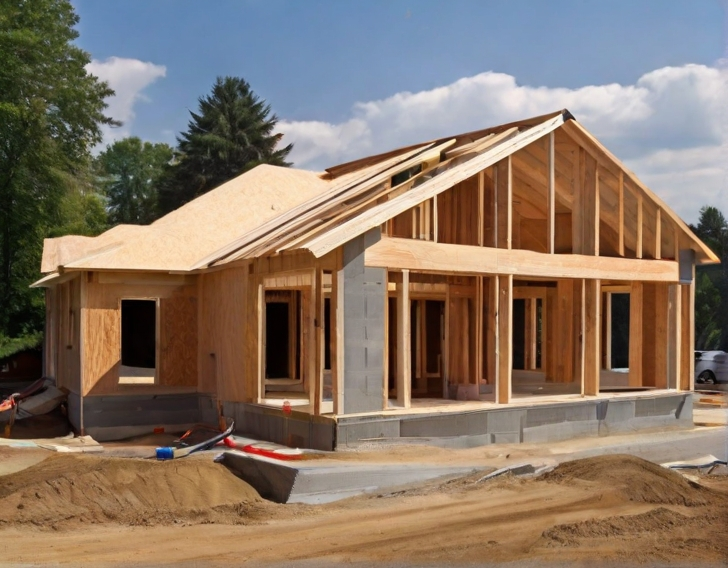
    Home remodeling is an exciting venture, but it often comes with a myriad of questions and considerations. Whether you’re contemplating a full-scale renovation or just looking to spruce up your living space, understanding the Remodeling Services process is crucial. In this comprehensive guide, we will unravel the mysteries of remodeling and explore the construction landscape in New Jersey.

    The First Step in the Remodeling Process

    Embarking on a remodeling project can be overwhelming, but the first step is to define your goals and set a budget. Knowing what you want to achieve with your remodel will guide the entire process. Are you looking to enhance functionality, increase energy efficiency, or simply update the aesthetic appeal of your home?

    Once your goals are clear, it’s time to create a detailed plan. This plan should outline the scope of work, establish a timeline, and allocate resources appropriately. Whether you’re considering a kitchen renovation, bathroom upgrade, or a complete home overhaul, a well-thought-out plan is your roadmap to a successful remodeling journey.

    Demystifying Remodeling in Construction

    Remodeling, in the context of construction, refers to the process of altering the structure or form of a building. It goes beyond mere cosmetic changes and involves significant modifications to enhance the overall functionality and aesthetics. This could include anything from knocking down walls to create an open floor plan to adding extra rooms for a growing family.

    In the construction industry, remodeling is a dynamic and evolving field. Advancements in materials, technology, and design trends continuously shape the way homes are transformed. Working with a professional construction company ensures that your remodeling project aligns with industry standards and complies with local building codes.

    Exploring Construction Wages in the USA

    As you delve into the world of construction and remodeling, you might be curious about the compensation for construction workers in the USA. Salaries can vary based on factors such as experience, location, and the specific type of construction work involved.

    On average, construction workers in the USA earn a competitive wage. The Bureau of Labor Statistics reports that the median annual wage for construction laborers was $37,080 as of the latest available data. Skilled trades, such as electricians and plumbers, tend to command higher wages due to the specialized nature of their work.

    The Essence of Major Structural Renovation

    Major structural renovation goes beyond surface-level changes; it involves significant alterations to a building’s structure. This could include adding or removing walls, reinforcing foundations, or even changing the building’s footprint. Such renovations are often undertaken to address issues like outdated infrastructure, safety concerns, or to accommodate modern living standards.

    Undertaking a major structural renovation requires careful planning and execution. Hiring a reputable Construction Company New Jersey with experience in handling complex projects is essential. They can guide you through the process, ensuring that the renovation meets all safety and code requirements.

    A Trusted Partner in Your Renovation Journey

    Your choice of a construction company can make or break your remodeling experience. In the vast landscape of New Jersey, where construction firms abound, it’s essential to select a company with a proven track record of delivering quality projects.

    What sets a construction company in New Jersey apart?

    1. Local Expertise: A construction company based in New Jersey brings valuable local expertise. They understand the region’s building codes, weather considerations, and can navigate the local permit process seamlessly.
    2. Proven Portfolio: Before committing to a construction company, review their portfolio. A reputable firm will showcase a diverse range of successful projects, demonstrating their ability to handle various remodeling challenges.
    3. Client Testimonials: The experiences of past clients speak volumes about a construction company’s reliability. Look for testimonials or reviews to gauge customer satisfaction and get a sense of what working with the company entails.

    Remodeling Services Near Me: Choosing Convenience and Quality

    The phrase “Remodeling services near me” holds significance as it implies accessibility and convenience. When selecting a construction company, proximity to your location can bring several advantages.

    Benefits of choosing remodeling services near you:

    1. Faster Response Time: Local construction companies can respond promptly to your inquiries and start the project sooner. This ensures a more efficient and timely remodeling process.
    2. Site Visits: Proximity allows the construction team to conduct frequent site visits, assess the project closely, and address any emerging issues promptly.
    3. Understanding Local Trends: A construction company near you is likely to be attuned to local design trends and preferences, ensuring your remodel aligns with the aesthetic preferences of the community.

    Elevate Your Remodeling Experience

    Major structural renovation is a transformative process that goes beyond surface-level enhancements. It involves substantial changes to a building’s structure, ensuring it meets modern standards for safety, functionality, and aesthetics. In this section, we’ll explore the nuances of major structural Renovation Services and offer guidance for a successful remodeling journey.

    Understanding the Essence of Major Structural Renovation

    Major structural renovation encompasses a wide range of changes, from reconfiguring interior spaces to reinforcing foundations. Here are key aspects to consider:

    1. Architectural Modifications: Major renovations often include architectural changes, such as adding or removing walls, expanding living spaces, or altering the overall layout of a home.
    2. Foundation Reinforcement: Addressing foundational issues is crucial for the longevity and stability of a structure. Structural engineers may recommend reinforcing foundations to ensure they can support the planned modifications.
    3. Upgrading Infrastructure: Major renovations provide an opportunity to upgrade essential infrastructure components, including electrical, plumbing, and HVAC systems. This not only enhances safety but also improves energy efficiency.
  • Mastering the Art of Pavers Installation

    Mastering the Art of Pavers Installation

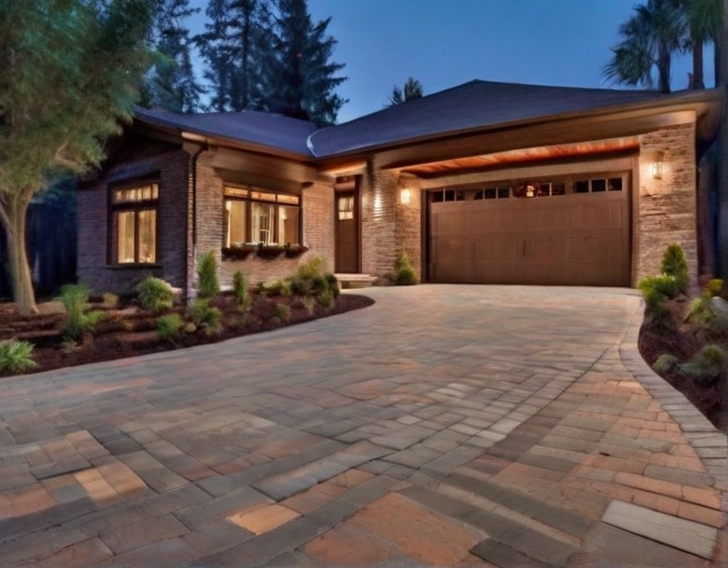
    When it comes to enhancing the aesthetic appeal and functionality of outdoor spaces, pavers installation stands out as a popular choice in the construction and remodeling industry. Whether you’re looking to revamp your driveway, patio, or walkway, pavers offer versatility and durability. In this comprehensive guide, we’ll delve into the intricacies of Pavers Installation, answering common questions and shedding light on the benefits of this versatile solution.

    How do you prepare the ground for pavers?

    Before embarking on a pavers installation project, proper ground preparation is essential for ensuring a lasting and stable result. Here are the key steps involved:

    Site Assessment:

    Before breaking ground, assess the area where you plan to install the pavers. Check for any existing structures, utilities, or drainage issues that might affect the installation.

    Clear the Area:

    Remove any vegetation, rocks, or debris from the site. This ensures a clean slate for the installation and prevents any interference with the stability of the pavers.

    Excavation:

    Dig the area to the required depth, allowing space for the base materials and the pavers. This depth may vary depending on the type of pavers and the intended use of the space.

    Add Base Materials:

    Apply a layer of base materials, typically composed of crushed stone or gravel. This provides a stable foundation and aids in drainage, preventing issues like shifting or settling.

    Compact the Base:

    Use a compactor to firmly compact the base materials. This step is crucial for creating a solid foundation that can withstand the load and pressure of foot traffic or vehicular use.

    Edge Restraints:

    Install edge restraints along the perimeter of the area to prevent the pavers from shifting or spreading outwards over time. This helps maintain a neat and structured appearance.

    Which is cheaper: pavers or concrete?

    Cost considerations play a significant role in any construction or remodeling project. Comparing pavers to concrete involves various factors, each contributing to the overall expense. Let’s break down the cost considerations for both:

    Pavers:

    • Material Costs: Pavers come in a variety of materials, such as concrete, brick, or natural stone, each with its own price point. Concrete pavers are often more cost-effective than natural stone.
    • Installation Costs: Pavers installation can be labor-intensive, contributing to installation costs. However, the modular nature of pavers can simplify repairs and replacements, potentially reducing long-term costs.

    Concrete:

    • Material Costs: Concrete is generally less expensive upfront compared to some premium paver materials. However, decorative finishes or stamping can increase the cost.
    • Installation Costs: While concrete installation might be less labor-intensive than pavers, repairs or replacements can be more challenging and costly.

    It’s important to note that the total cost depends on factors such as the size of the project, the type of pavers or concrete chosen, and the intricacy of the design. Consulting with a professional contractor can provide a more accurate estimate based on your specific requirements.

    Is a paver a brick?

    The term “paver” is often used interchangeably with “brick” in casual conversation, but they are not synonymous. A paver refers to any type of stone, brick, or concrete block used for paving purposes, whereas a brick specifically denotes a rectangular unit made of clay or concrete.

    Pavers can be made from various materials, including:

    Concrete Pavers:

    These are made from a mix of Portland cement, aggregates, and coloring agents. Concrete pavers come in diverse shapes, sizes, and finishes, offering a wide range of design possibilities.

    Brick Pavers:

    While bricks are traditionally used for walls, brick pavers are designed for horizontal surfaces. They share the durability of regular bricks but are manufactured with a flat, smooth surface suitable for walkways, driveways, and patios.

    Natural Stone Pavers:

    Materials like granite, limestone, or travertine can be cut into paver shapes. Natural stone pavers add a touch of elegance to outdoor spaces and are known for their durability.

    In summary, while all bricks are pavers, not all pavers are bricks. The term “paver” encompasses a broader range of materials suitable for various paving applications.

    What are pavers used for?

    Renovation Services are versatile and find applications in a wide array of outdoor projects. Here are some common uses for pavers:

    Driveways:

    Pavers provide a durable and visually appealing alternative to traditional concrete or asphalt driveways. Their modular nature facilitates easy repairs if individual pavers become damaged.

    Patios:

    Creating a charming outdoor patio is made easy with pavers. The variety of shapes, colors, and textures allows for endless design possibilities to suit any aesthetic.

    Walkways:

    Pavers make for excellent walkways, guiding people through gardens, yards, or connecting different areas of a property. The textured surface can enhance safety by providing traction.

    Pool Decks:

    The non-slip and heat-resistant properties of certain paver materials make them an ideal choice for pool decks. They offer a comfortable and stylish surface around the pool area.

    Garden Paths:

    Enhance the beauty of your garden with intricately designed garden paths. Pavers can create a charming and functional pathway, protecting the surrounding vegetation.

    Outdoor Living Spaces:

    From fire pits to outdoor kitchens, pavers are a popular choice for creating functional and aesthetically pleasing outdoor living spaces.

    Selecting the Right Pavers for Your Project

    Choosing the right type of pavers is a crucial step in ensuring the success of your project. The market offers a variety of paver materials, each with its own set of characteristics. Here’s a guide to help you make an informed decision:

    1. Concrete Pavers:

    Pros:

    • Affordability: Concrete pavers are often more budget-friendly than natural stone options.
    • Versatility: Available in various shapes, sizes, and colors, providing flexibility in design.
    • Durability: Concrete pavers can withstand heavy loads and are resistant to cracking.

    Cons:

    • Color Fading: Over time, exposure to sunlight may cause some color fading.
    • Maintenance: While durable, they may require occasional cleaning to maintain their appearance.

    2. Brick Pavers:

    Pros:

    • Classic Appeal: Brick pavers exude a timeless, classic look suitable for various architectural styles.
    • Permeability: The natural gaps between bricks allow for water drainage, reducing runoff.

    Cons:

    • Limited Color Options: Bricks come in a more restricted range of colors compared to concrete pavers.
    • Maintenance: Weeds may grow in the gaps, requiring periodic maintenance.

    3. Natural Stone Pavers:

    Pros:

    • Elegance: Natural stone provides a high-end, elegant appearance to outdoor spaces.
    • Variety: Options like granite, limestone, and travertine offer diverse aesthetics.
    • Low Maintenance: Natural stone is resistant to fading and requires minimal maintenance.

    Cons:

    • Cost: Natural stone pavers are often more expensive than concrete or brick options.
    • Weight: Some natural stones can be heavier, necessitating proper installation techniques.

    4. Permeable Pavers:

    Pros:

    • Eco-Friendly: Permeable pavers allow water to penetrate the surface, reducing runoff and aiding in groundwater recharge.
    • Stormwater Management: Ideal for areas with stormwater management requirements.

    Cons:

    • Installation Complexity: Requires a specialized installation process to ensure proper water infiltration.

    Understanding the characteristics and trade-offs of each paver type will help you make an informed decision based on your project’s requirements, budget, and aesthetic preferences.

    Professional Pavers Installation:

    Pros:

    • Expertise: Professionals bring years of experience and expertise to ensure a high-quality result.
    • Efficiency: Professional crews can complete projects efficiently, saving you time.
    • Warranty: Many professional services offer warranties, providing peace of mind.

    Cons:

    • Cost: Professional services come at a cost, but the investment often translates into long-term benefits.

    Assess your skills, available time, and the complexity of your project before deciding whether to tackle pavers installation as a DIY project or entrust it to seasoned professionals.

    Conclusion

    Pavers installation is a transformative process that enhances the beauty and functionality of outdoor areas. Selecting the right paver type, deciding between DIY and professional installation, and implementing proper maintenance are all crucial aspects of a successful project.

    For those looking for reliable and professional pavers installation services, Buildsmore offers expertise and a commitment to quality. Their skilled team can guide you through the process, ensuring a seamless and visually stunning result for your project. Whether you’re revamping a driveway, creating an elegant patio, or designing a charming garden path, the right pavers can turn your vision into reality.

  • Dream Bathroom with Proven Remodeling Techniques

    Dream Bathroom with Proven Remodeling Techniques

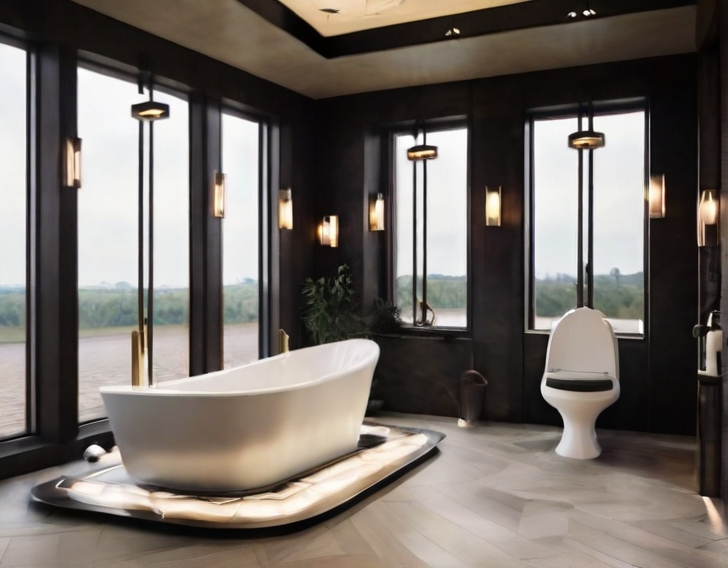
    Are you considering renovating your old bathroom? The bathroom is a vital space in any home, and a well-designed and modern bathroom not only enhances the overall aesthetic but also adds value to your property. In this comprehensive guide, we’ll explore the ins and outs of Bathroom Remodeling in the construction and remodeling industry. From renovating old bathrooms to designing luxurious spaces, we’ve got you covered.

    1. How do you renovate an old bathroom?

    Assess and Plan

    The first step in renovating an old bathroom is a thorough assessment. Identify the key areas that require attention, such as outdated fixtures, worn-out tiles, or inefficient storage. Once you have a clear picture of the issues, create a detailed plan outlining the changes you want to make.

    Budgeting

    Establishing a realistic budget is crucial for a successful bathroom remodel. Consider the cost of materials, labor, and any unforeseen expenses. Having a well-defined budget ensures that you can make informed decisions and prioritize essential elements of the renovation.

    Choose Timeless Fixtures

    Opt for fixtures that stand the test of time both in terms of design and functionality. Classic choices like pedestal sinks, freestanding bathtubs, and neutral-colored tiles contribute to a timeless and elegant look that won’t quickly go out of style.

    Update Lighting

    Good lighting can transform the ambiance of your bathroom. Consider installing LED or energy-efficient lighting to brighten up the space. Strategic placement of lights around mirrors and vanity areas can enhance both functionality and aesthetics.

    DIY vs. Professional Help

    While some tasks can be tackled as DIY projects, others require professional expertise. Plumbing and electrical work, for example, should be handled by licensed professionals to ensure safety and compliance with building codes.

    2. What are the three advantages of a modern bathroom?

    Efficiency and Functionality

    Modern bathrooms are designed with efficiency in mind. Installing water-saving fixtures, such as low-flow toilets and energy-efficient faucets, not only reduces water consumption but also lowers utility bills. Incorporating smart storage solutions maximizes space and enhances functionality.

    Aesthetically Pleasing

    The sleek and minimalist design of modern bathrooms creates a visually appealing and clutter-free environment. Neutral color palettes, clean lines, and innovative materials contribute to a sophisticated and calming atmosphere.

    Increased Property Value

    Investing in a modern bathroom significantly boosts the resale value of your home. Potential buyers are often attracted to updated and stylish bathrooms, making it a wise investment for both current enjoyment and future returns.

    3. How to design a luxurious bathroom?

    Spa-like Features

    Create a luxurious retreat by incorporating spa-like features into your bathroom design. Consider a rainfall showerhead, a deep soaking tub, or even a steam shower. These additions elevate the overall experience and provide a sense of indulgence.

    High-Quality Materials

    Luxury is often synonymous with quality. Invest in high-quality materials such as marble or granite countertops, premium tiles, and elegant fixtures. These elements not only look luxurious but also contribute to the longevity of your bathroom.

    Smart Technology

    Integrate smart technology into your bathroom for added convenience. Smart mirrors, heated floors, and programmable lighting systems enhance the overall experience, allowing you to create a customized and high-tech space.

    Ample Storage

    Luxury often lies in the details, and well-thought-out storage solutions can make a significant difference. Consider custom-built cabinets, floating shelves, or hidden storage behind mirrors to keep your bathroom organized and clutter-free.

    4. Which toilet style is best?

    One-Piece Toilets

    One-piece toilets have a seamless and contemporary design. They are easier to clean and maintain, making them a popular choice for modern bathrooms. Additionally, they often come with efficient flushing systems, contributing to water conservation.

    Wall-Mounted Toilets

    Wall-mounted toilets are an excellent option for small bathrooms as they create a sense of space by leaving the floor area open. The tank is concealed within the wall, providing a sleek and streamlined look.

    Comfort Height Toilets

    Comfort height toilets, also known as chair-height toilets, are designed to be slightly taller than standard toilets. This height is more comfortable for users, especially those with mobility issues, making it an inclusive and practical choice.

    5. Which tile is best for the bathroom floor?

    Choosing the right tile for your bathroom floor is crucial for both aesthetics and functionality.

    Porcelain Tiles

    Porcelain tiles are known for their durability, water resistance, and versatility. They come in various styles, colors, and patterns, allowing you to achieve the desired look for your bathroom. Additionally, porcelain tiles are easy to clean and maintain.

    Ceramic Tiles

    Ceramic tiles are another popular choice for bathroom floors in Remodeling services. They are affordable, available in a wide range of designs, and relatively easy to install. However, compared to porcelain, they may be more prone to chipping and cracking.

    Natural Stone Tiles

    For a luxurious and unique look, consider natural stone tiles such as marble or travertine. While these tiles require more maintenance and can be more expensive, they add a timeless and elegant touch to your bathroom.

    6. Maximizing Space in Small Bathrooms

    Optimize Layout

    In small bathrooms, strategic planning is essential. Consider a layout that maximizes available space. Floating vanities, wall-mounted storage, and compact fixtures can create an illusion of spaciousness.

    Light Colors and Mirrors

    Light colors on walls and surfaces can make a small bathroom feel brighter and more open. Mirrors, especially large ones, reflect light and create the illusion of a larger space. Consider incorporating both for an airy and expansive feel.

    Multi-functional Furniture

    Explore multi-functional furniture and fixtures designed for small spaces. Wall-mounted cabinets, foldable shower seats, and corner sinks can serve their purpose without overwhelming the limited area.

    7. Green Bathroom Remodeling

    Eco-Friendly Fixtures

    Consider incorporating eco-friendly fixtures to reduce your environmental footprint. Low-flow toilets, water-saving faucets, and energy-efficient lighting not only contribute to a greener planet but also result in long-term cost savings.

    Sustainable Materials

    Choose sustainable materials for your bathroom remodel. Bamboo, reclaimed wood, and recycled glass tiles are eco-friendly options that add a touch of nature to your space. Look for certifications like FSC (Forest Stewardship Council) to ensure responsible sourcing.

    Energy-Efficient Heating

    Explore energy-efficient heating options for your bathroom, such as radiant floor heating. This not only adds a touch of luxury but also provides efficient warmth, reducing the need for additional heating sources.

    8. Creating a Kid-Friendly Bathroom

    Safety First

    When designing a bathroom for kids, safety is paramount. Opt for rounded edges on fixtures, install slip-resistant flooring, and keep potentially harmful items out of reach. A step stool can also make it easier for little ones to reach the sink.

    Playful Design Elements

    Infuse a sense of fun into the design with playful colors, themed décor, and kid-friendly accessories. Consider colorful shower curtains, non-slip bath mats with playful designs, and storage solutions that are easily accessible for children.

    Easy-to-Clean Surfaces

    Kids are known for creating messes, so choose materials that are easy to clean and maintain. Smooth, non-porous surfaces like glazed tiles and wipeable paint make cleanup a breeze, ensuring a hygienic environment for your little ones.

    9. Bathroom Remodeling on a Budget

    Prioritize Essentials

    When working with a limited budget, prioritize essential upgrades. Focus on fixtures and features that significantly impact both aesthetics and functionality. Consider repainting walls, updating hardware, and replacing worn-out faucets for a cost-effective refresh.

    Conclusion

    In conclusion, bathroom remodeling is a versatile and rewarding endeavor, catering to various needs and preferences. Whether you’re aiming for a luxurious retreat, maximizing space in a small bathroom, or incorporating eco-friendly elements, careful planning and thoughtful choices can transform your bathroom into a functional and aesthetically pleasing space. For expert guidance and top-notch craftsmanship, consider reaching out to BuildsMore Construction Company New Jersey & Remodeling. Their expertise in the construction and remodeling industry ensures a successful and satisfying bathroom renovation experience.

  • A Homeowner’s Definitive Guide to Exterior Painting

    A Homeowner’s Definitive Guide to Exterior Painting

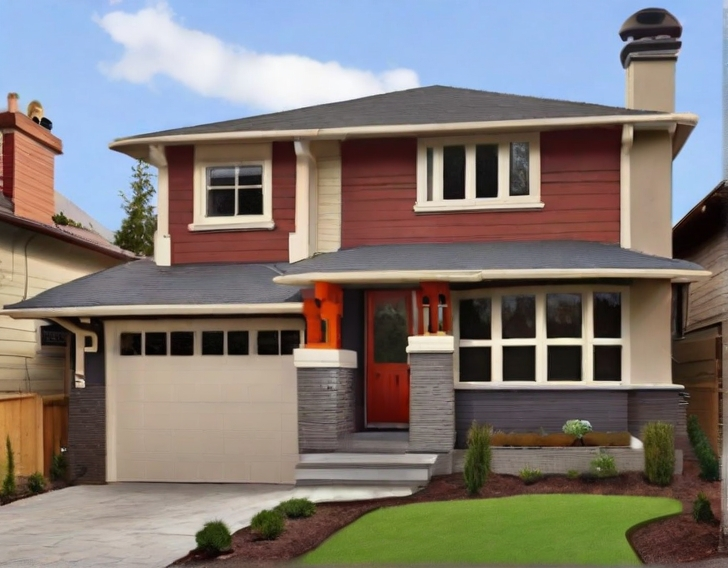
    Your home is more than just a place to live; it’s a reflection of your personality and style. One of the most impactful ways to enhance the curb appeal and protect your home is through expert exterior painting. In this comprehensive guide, we’ll delve into the best practices for the Exterior Painting of your house, choosing the right paint color, understanding the number of coats required, determining paint coverage, and ensuring the durability of your paint job.

    A Step-by-Step Guide

    Before embarking on an exterior painting project, it’s essential to have a well-thought-out plan. Our step-by-step guide will cover everything from preparation to finishing touches, ensuring a seamless and professional-looking paint job. We’ll discuss the importance of cleaning and priming surfaces, selecting the right tools and materials, and the best techniques for achieving a smooth and lasting finish.

    Choosing the Perfect Paint Color for Your Exterior Walls

    The color of your home’s exterior speaks volumes about your taste and style. Dive into our insights on the psychology of colors, tips for harmonizing with your surroundings, and how to choose a color that not only looks stunning but also stands the test of time. We’ll explore popular color trends, timeless classics, and how to create a cohesive look that enhances your home’s overall aesthetic.

    How Many Coats of Paint Does the Exterior of a House Need?

    Achieving a durable and long-lasting paint job involves applying the right number of coats. Learn about the factors that influence the number of coats required, whether you’re dealing with new or previously painted surfaces. Our expert recommendations will guide you through the process, ensuring that your exterior paint not only looks fantastic but also provides optimal protection against the elements.

    How Far Does 1 Litre of Paint Go?

    Efficiently estimating the amount of paint needed is crucial for budgeting and avoiding unnecessary waste. We’ll break down the factors that influence paint coverage, providing practical tips on calculating the quantity required for your specific project. Additionally, discover how to optimize paint usage without compromising on the quality and longevity of your exterior paint job.

    Is Exterior Paint Waterproof?

    Protecting your home from the elements is a primary function of exterior paint. Explore the features of waterproof exterior paint and understand why it’s essential for durability. We’ll also discuss other protective measures you can take to enhance the water resistance of your paint, ensuring that your investment stands strong against rain, snow, and varying weather conditions.

    Selecting the Right Exterior Paint:

    Choosing the right type of paint for your exterior surfaces is crucial for a successful painting project. In this section, we’ll explore the various types of Exterior Painting available, including latex, oil-based, and specialty formulations. Understand the unique advantages of each type and gain insights into which one suits your specific needs and the climate conditions in your area.

    Preventing and Addressing Common Exterior Painting Issues

    No painting project is without its challenges. Learn how to identify and address common exterior painting issues such as peeling, blistering, and cracking. Our troubleshooting guide will equip you with the knowledge to tackle these problems head-on, ensuring a flawless finish that stands the test of time.

    Modern Exterior Painting Ideas

    For homeowners looking to make a bold statement, incorporating modern trends in exterior painting can elevate the overall look of your property. Discover the latest trends, from contrasting color schemes to unique textures and finishes. We’ll explore how these contemporary ideas can add character and charm to your home’s exterior.

    Tips for Long-Term Beauty

    Once your exterior painting project is complete, proper maintenance is key to preserving its beauty and durability. Uncover effective tips for maintaining your paint job, from routine cleaning to addressing minor touch-ups. Learn how to extend the lifespan of your exterior paint and keep your home looking vibrant year after year.

    Choosing Environmentally Friendly Exterior Paint Options

    For eco-conscious homeowners, exploring environmentally friendly paint options is a must when considering Renovation Services. Dive into the world of low-VOC and zero-VOC paints, understanding their benefits for both the environment and your indoor air quality. Discover how sustainable painting choices can contribute to a healthier home and planet during your renovation projects.

    Your Guide to a Beautiful and Lasting Exterior Paint Job

    Embarking on an exterior painting project is a significant investment in your home’s aesthetic appeal and protection. Armed with the knowledge from this comprehensive guide, you’re well-prepared to make informed decisions at every step of the process. Whether you’re a seasoned DIY enthusiast or seeking professional assistance, achieving a beautiful and lasting exterior paint job is within reach.